.png)




Summary: Confused by estradiol vs estrogen? Understanding the difference—and what happens when estradiol starts to decline—can help make sense of everything from hot flashes and brain fog to why certain HRT options work better than others.
Key takeaways:
- Estrogen isn't a single hormone. It's a family of hormones that includes estradiol, estrone, and estriol.
- Estradiol is the heavy hitter. It's the most biologically active and predominant estrogen during your reproductive years and plays a major role in everything from your brain and bones to your heart and mood.
- Perimenopause is largely a story of shifting hormones, particularly fluctuating estradiol. As hormone levels change over time, symptoms like hot flashes, sleep problems, brain fog, and vaginal dryness can emerge.
- Most HRT uses estradiol. Because it's chemically identical to the hormone your body naturally produces, it's often the go-to choice for menopause symptom relief.
- There's no one-size-fits-all HRT plan. The best hormone, dose, and delivery method depend on your symptoms, medical history, lifestyle, and personal preferences.
Estradiol vs. estrogen: if you've recently fallen down the menopause-research rabbit hole, you've probably encountered both terms and wondered what the difference is. Things get confusing fast.
Questions like What is estradiol? What is estrogen? Is estradiol the same as estrogen? are incredibly common. And when you're trying to understand your symptoms, evaluate hormone replacement therapy (HRT), or make sense of a prescription, the terminology matters.
The good news: it's not as complicated as it sounds. In this article, we'll break down the different types of estrogen, explain where estradiol fits into the picture, and explore what it all means for your health, symptoms, and HRT options.
What is estrogen?
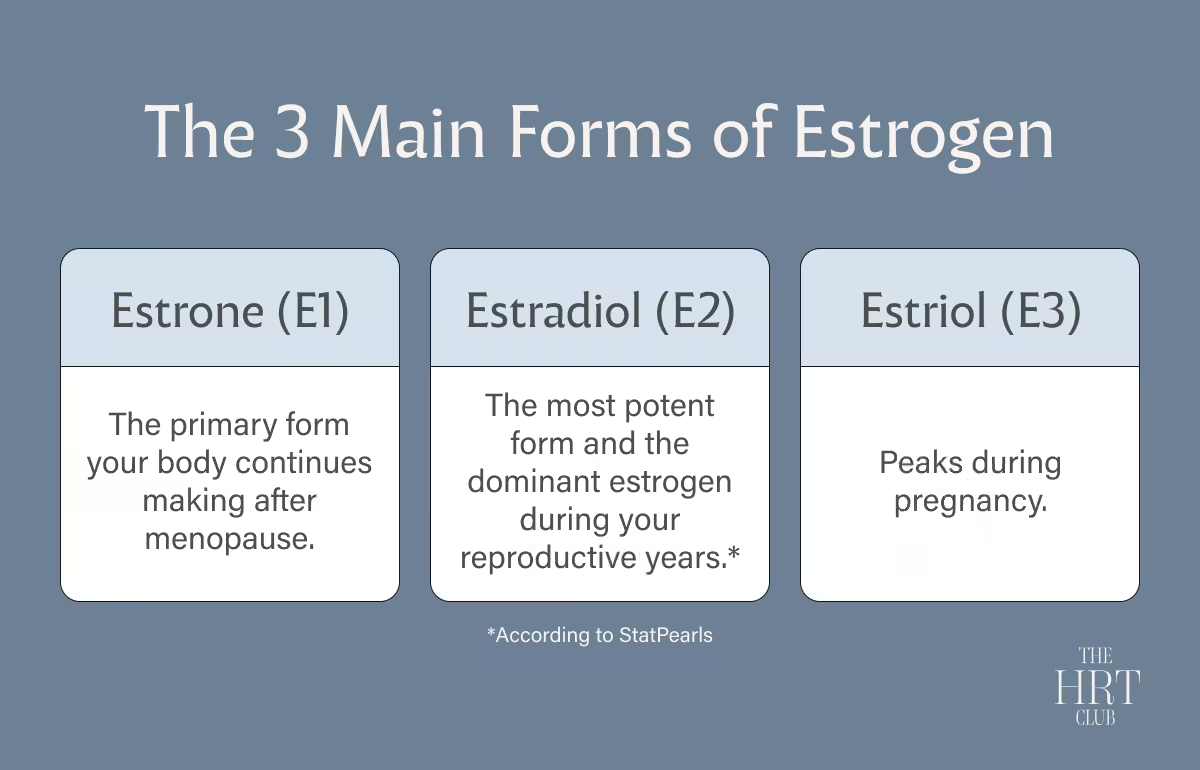
Estrogen isn't a single hormone—it's a group of hormones, and three main types play different roles throughout your life, per the National Library of Medicine:
- Estrone (E1): The primary form your body continues making after menopause.
- Estradiol (E2): The most powerful form and the dominant estrogen during your reproductive years, according to StatPearls.
- Estriol (E3): Peaks during pregnancy.
While estrogen is best known for its role in puberty, fertility, pregnancy, and menopause, thinking of it only as a female reproductive hormone is a major oversimplification, says Betsy Greenleaf, DO, FACOOG (Distinguished), FACOG, a board-certified urogynecologist. In fact, estrogen’s job goes way beyond reproduction. Per the National Library of Medicine, it also:
- Helps maintain healthy lipid metabolism and insulin activity
- Supports bone and muscle health
- Plays an important role in mood, memory, and brain function
So when estrogen levels start to drop, it can create a ripple effect that impacts far more than your menstrual cycle. “Women often notice changes throughout their entire body as estrogen declines,” from vaginal dryness, to brain fog, poor sleep, and more, says Dr. Greenleaf.
What is estradiol, and why does it matter most?
Of the three types of estrogen, estradiol is the heavyweight. Produced mainly by the ovaries, it's the most abundant and powerful estrogen during your reproductive years, helping regulate everything from your menstrual cycle and brain function to your heart, bones, and blood vessels, according to StatPearls.
What makes estradiol the most powerful form of estrogen? It's “the most effective at binding to estrogen receptors,” says Andrea Martin, DNP, CRNP, WHNP, MSCP, a board-certified women's health nurse practitioner. “If you think of receptors like locks and estradiol like a key, estradiol fits almost perfectly,” Dr. Martin explains, while estrone and estriol don't activate those receptors as effectively. As a result, estradiol “has a much greater biological effect than estrone or estriol,” adds Dr. Greenleaf.
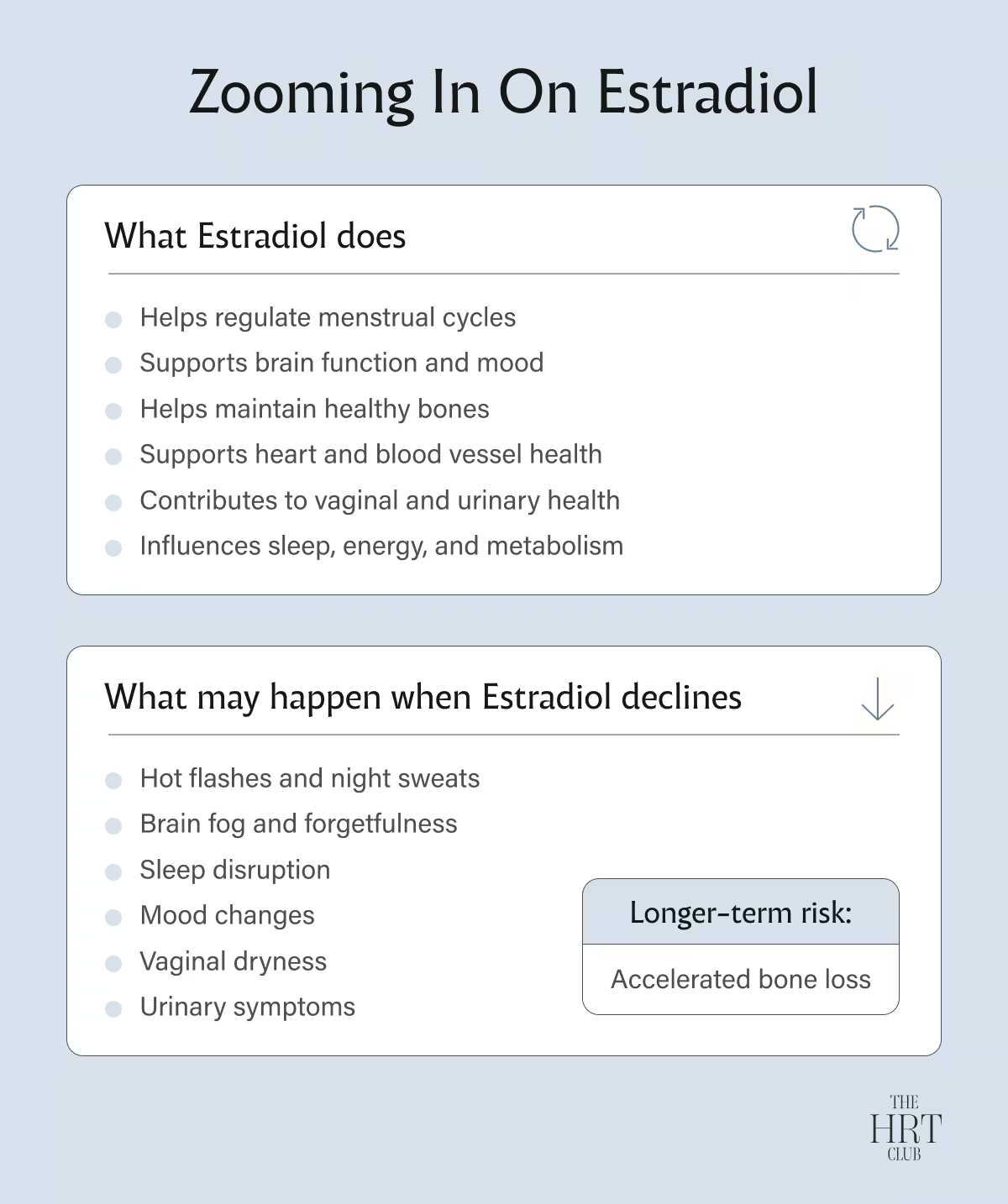
The problem? Estradiol levels begin to fluctuate significantly during the menopausal transition before ultimately declining as the ovaries become less active. That drop is behind many of the hallmark symptoms of menopause, including hot flashes, vaginal dryness, sleep problems, mood changes, and more, according to StatPearls.
What happens to estrogen across your life?
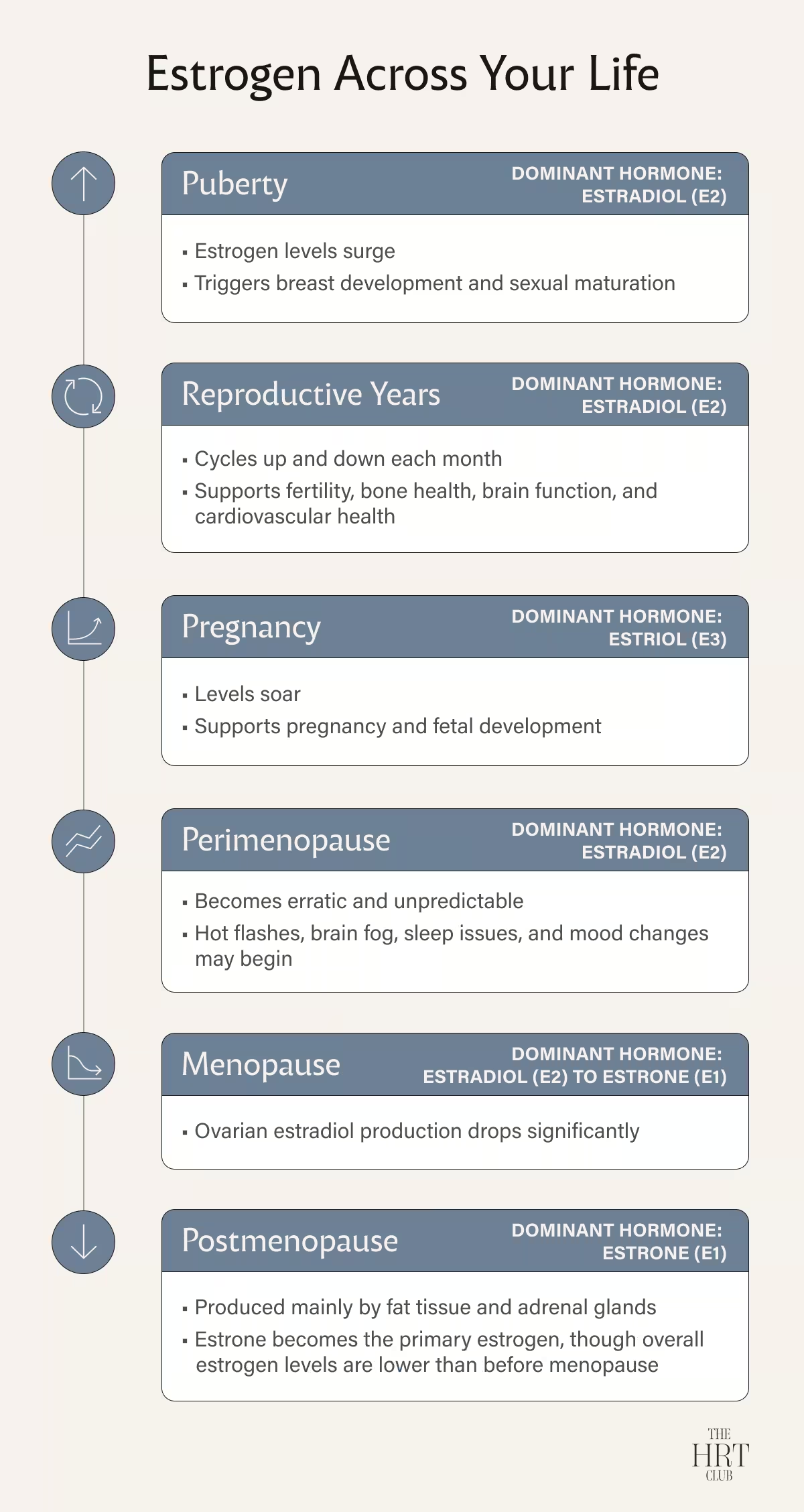
Estrogen shifts dramatically throughout your life, and so does the type of estrogen taking center stage. Here’s what that looks like:
- Puberty: Estradiol surges, triggering breast development and other signs of sexual maturity, according to the Society for Women’s Health Research.
- Reproductive years: Estradiol remains the dominant estrogen, rising and falling throughout the menstrual cycle, per the Endocrine Society. During pregnancy, estriol takes the spotlight.
- Perimenopause: Estradiol fluctuates wildly and begins an erratic decline, often years before periods stop, causing the first signs of hormonal upheaval.
- Menopause: Ovarian estradiol production drops significantly.
- Postmenopause: Estrone becomes the primary estrogen. Because it's much weaker than estradiol, symptoms may persist, per the Endocrine Society, one reason estradiol-based HRT can be so effective for relieving menopausal symptoms like hot flashes and vaginal dryness.
So what's the difference between estradiol and estrogen?
It's easy to use estrogen and estradiol interchangeably, but they're not the same thing. Estrogen is a family of hormones. Estradiol is one member of that family—and the most powerful and abundant form during your reproductive years.
Estradiol plays a major role from puberty through menopause. During perimenopause, its levels can spike and crash unpredictably before eventually declining when the ovaries stop producing significant amounts.
The distinction becomes especially important when talking about hormone replacement therapy (HRT). Estradiol is the most commonly prescribed estrogen because it's “chemically identical to the estradiol our body [naturally] makes (usually referred to as bioidentical),” says Dr. Martin. It is highly effective for relieving menopausal symptoms and providing systemic estrogen replacement, adds Dr. Greenleaf.
That said, estradiol isn't the only option. Other forms, such as conjugated estrogens, may be appropriate depending on your symptoms, medical history, and treatment goals, according to StatPearls.
Standout box:
A note on bioidentical hormones: The term bioidentical hormones can be misleading. Some bioidentical hormones—such as estradiol and micronized progesterone—are FDA-approved, prescription medications that have been rigorously tested for safety, effectiveness, and quality, according to the MGH Center for Women’s Mental Health. Others are custom-compounded by specialty pharmacies, meaning they're mixed specifically for an individual patient when a standard FDA-approved option doesn't meet a particular need.
While bioidentical hormones are often marketed as more "natural " because they’re identical to the hormones your body produces, they're still manufactured in a lab, and there's little evidence they're safer or more effective than FDA-approved options. Because compounded hormones aren't subject to the same FDA oversight, their dose, purity, and consistency can vary. Like all hormone therapies, they may also carry risks, so it's important to discuss the pros and cons with a qualified provider.
What does this mean for HRT?
Hormone replacement therapy (HRT) works by replenishing hormones that decline during menopause, helping relieve symptoms like hot flashes and night sweats while also protecting bone health. Estradiol is the estrogen used in most HRT prescriptions (though people with a uterus typically also need a progestogen to protect the uterine lining).
How you take estradiol matters, says Dr. Greenleaf. There are a few main forms:
- Oral estrogen—taken as a pill is absorbed through the digestive tract and processed by the liver before reaching the bloodstream, says Dr. Greenleaf. This process (called first-pass metabolism) can affect how the hormone is metabolized and may increase certain clotting and inflammatory factors, according to the Korean Journal of Family Medicine.
- Transdermal estrogen—delivered through patches, gels, sprays, or creams—is absorbed through the skin and bypasses the liver. Observational studies suggest transdermal estrogen is associated with a lower risk of blood clots than oral estrogen, per the Korean Journal of Family Medicine. It can be a good option for some people, including those with migraines, cardiovascular risk factors, insulin resistance, or metabolic concerns, adds Dr. Greenleaf.
- Low-dose vaginal estrogen—applied as a cream, insert, or ring to vaginal or vulvar tissues to treat genitourinary symptoms of menopause, including vaginal dryness, irritation, painful sex, and urinary symptoms, according to StatPearls. Because very little enters the bloodstream, it results in minimal systemic absorption and generally does not produce clinically significant increases in estrogen levels throughout the body.
So, is one better? Not necessarily. The right choice depends on factors like your medical history, cardiovascular health, migraine history, bone health, metabolic risk, and lifestyle, explains Dr. Greenleaf.
Personal preference is important in the decision-making process too, adds Dr. Martin. For example, some people love the convenience of a patch; others hate the residue it leaves behind; some prefer a daily gel; others dislike how long it takes to dry. Insurance coverage can also influence the decision, she says.
The takeaway: HRT isn't one-size-fits-all. The best option is the one that's safest, most effective, and easiest for you to stick with.
How Delivery Method Affects Estrogen in the Body
Note: The hormone may be the same, but the delivery method changes how your body processes it—which can influence effectiveness, side effects, and risk profile.
Standout box: Understanding the terminology is the first step. If you're ready to explore HRT or want to learn more about your options, The HRT Club is a helpful place to start.
The bottom line
When it comes to estradiol and estrogen, the difference is simple: estrogen is the family, and estradiol is its most powerful member during your reproductive years. Understanding that distinction can help explain why menopause symptoms happen—and why estradiol is often the foundation of HRT.
If symptoms are affecting your quality of life, you don't have to just power through. Discuss treatment options with a qualified healthcare professional such as those at HRT Club to determine the most appropriate therapy for you.
FAQ
Is estradiol the same as estrogen?
Not quite. Estrogen is a group of hormones, while estradiol is one specific type of estrogen. The estrogen family also includes estrone and estriol.
Is estradiol stronger than estrogen?
Estrogen is the hormone family, and estradiol is one type. Estradiol is the most powerful and biologically active form of estrogen during the reproductive years, making it the primary estrogen responsible for many of estrogen's effects throughout the body.
What does a drop in estradiol feel like?
A drop in estradiol can show up as hot flashes, night sweats, poor sleep, brain fog, mood changes, vaginal dryness, urinary symptoms, and may over time contribute to bone loss, according to StatPearls. In short: many of the symptoms commonly associated with perimenopause and menopause.
About Author