
Key takeaways:
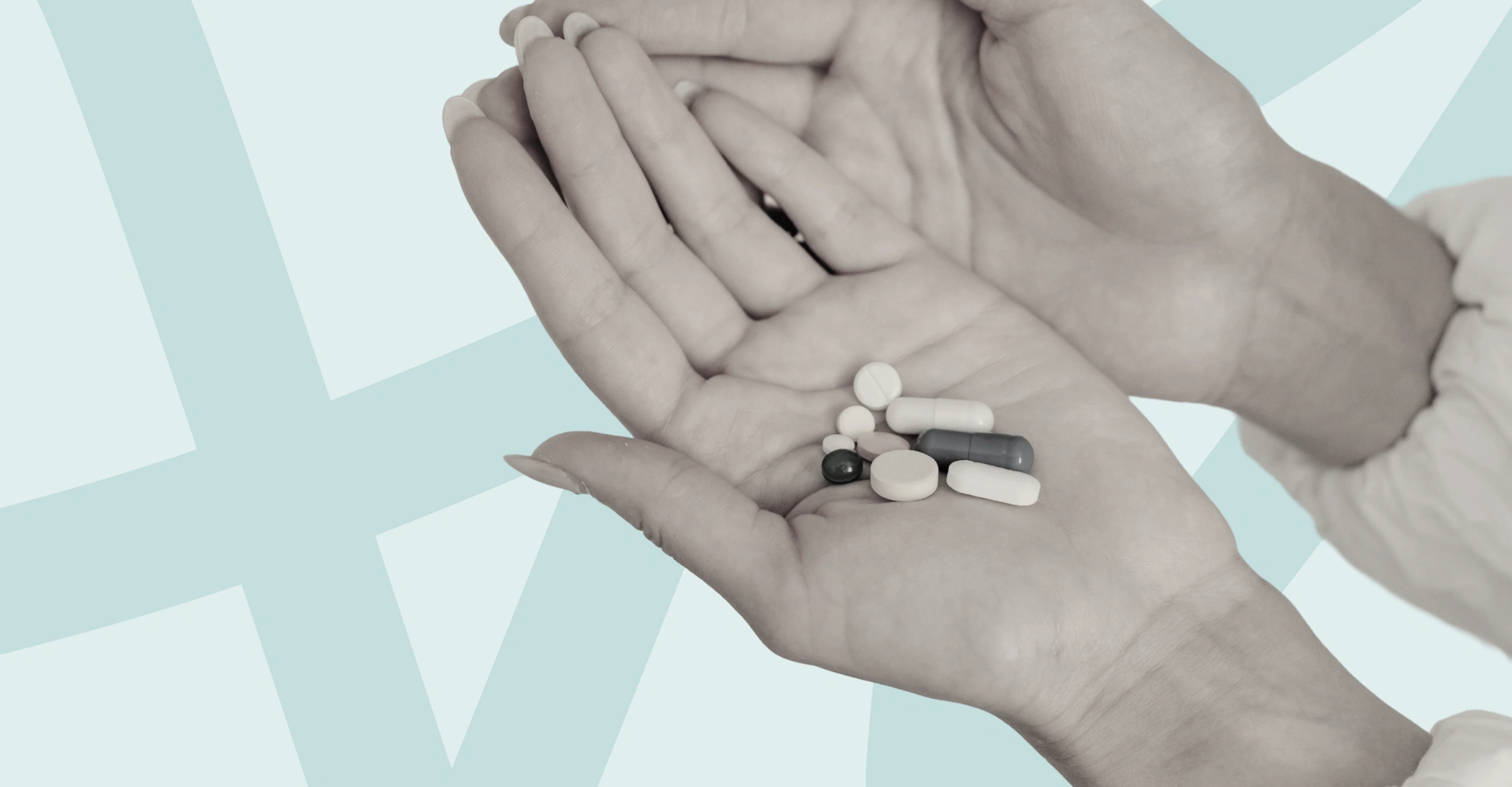
- Estrogen cannot be purchased over the counter (OTC). In the United States, estrogen requires a doctor's prescription and OTC "estrogen supplements" typically contain plant or herbal ingredients which may support natural estrogen production or provide some mild estrogen-like effects.
- Of all the OTC estrogen supplements, phytoestrogens have the most reliable research to support their effectiveness. Soy isoflavones and flaxseed are the most likely types of phytoestrogens to offer mild relief for hot flashes, but results vary.
- OTC supplement labels and claims are not reviewed and approved for safety and effectiveness by the FDA before they are sold. A doctor can help you consider the option better than comparing supplement labels.
- For many healthy women who are younger than 60 or within 10 years of menopause, prescription hormone replacement therapy (HRT) can be considered a way to address menopausal symptoms that disrupt sleep, mood, or daily quality of life. Please consult with your medical provider to see if you are a candidate for HRT.
If you’re experiencing any symptoms related to low estrogen — think: hot flashes, irregular periods, vaginal dryness, and more — you may have considered trying over-the-counter estrogen supplements. And it’s perfectly understandable why you might be thinking about giving these products a shot: They don’t require a prescription, and they’re often marketed as “safe” or “natural.” But are they?
“I completely understand why women start by looking for something over the counter,” says fertility doctor Aimee D. Eyvazzadeh, MD, MPH. “Perimenopause and menopause can sneak up on you. One day you're sleeping through the night, and the next you're waking up drenched in sweat, forgetting words, feeling anxious, exhausted, or simply not like yourself. It's overwhelming, and many women just want relief without feeling like they've crossed some major medical threshold.”
While the desire to seek out non-prescription treatments for low estrogen is understandable, the truth is that “estrogen supplements” are a mixed bag. Estrogen itself can’t be sold over the counter without a prescription, meaning the products sold as estrogen supplements aren’t actually hormone replacements. So what are estrogen supplements and should you consider taking them? Read on to learn which over-the-counter estrogen options are worth trying, which aren't worth your money, and when it's time to consider prescription estrogen.
Can you get estrogen over the counter?
No — estrogen isn’t a product that can be sold over the counter (OTC). In the United States, FDA-approved estrogen therapies for menopause require a prescription. Most products marketed as OTC “estrogen supplements” contain plant compounds or other ingredients rather than prescription estrogen.
“Estrogen is a hormone, not a vitamin,” Eyvazzadeh says. “It affects nearly every organ system in the body — from your brain and bones to your heart, uterus, and breasts. That's why it requires thoughtful prescribing, individualized dosing, and ongoing monitoring.”
According to the U.S. Food and Drug Administration (FDA), hormone replacement therapy (HRT) may help mitigate some of the symptoms associated with menopause-related estrogen decline, including hot flashes, night sweats, and vaginal dryness. According to Cleveland Clinic, most menopause medications include a laboratory-made form of estradiol (otherwise known as E2), the body’s primary and most potent form of estrogen during the reproductive years. Mayo Clinic confirms that estradiol is only available in the U.S. with a doctor’s prescription, and while many prescription estradiol products are FDA-approved, compounded estradiol products also exist and are not FDA-approved.
While the FDA has approved a variety of pharmaceuticals for estrogen replacement, including pills, patches, gels, and rings, according to the FDA’s page on menopause medications, there are many products popping up on pharmacy shelves and in targeted online ads claiming to be “natural estrogen.” However, these products are not FDA-approved, nor are they likely to contain pharmaceutical estradiol.
“If a product claims to be 'natural estrogen,' I would encourage consumers to pause and ask questions,” Eyvazzadeh says. “Plant compounds can have mild estrogen-like activity, but they are not the same thing as human estrogen. And unlike prescription medications, supplements aren't required to prove they work before they reach store shelves.”
What counts as an "estrogen supplement"?
There’s a reason so many of us wander the supplement aisle in confusion — labels can be misleading and deceptive, and any OTC product marketed as an “estrogen supplement” is unlikely to contain anything close to actual estrogen in it. The phrase “estrogen supplement" is one that’s stretched across fundamentally different categories of products, including plant compounds, herbs, creams, nutrients, and oral DHEA, a hormone precursor. Lumping them all together only adds to the confusion and misinformation.
The important thing to know about OTC products is that supplements are not FDA-approved or reviewed for safety and effectiveness before they’re sold. That doesn’t mean all supplements are bad or dangerous, but consumers should know that dietary supplement companies are the ones responsible for ensuring their products meet safety standards and don’t violate the law, according to the FDA. While some supplements may help fill gaps in the diet or help support certain functions of the body, they’re not allowed to claim that they can treat, prevent, or cure a specific disease or condition, according to NSF.
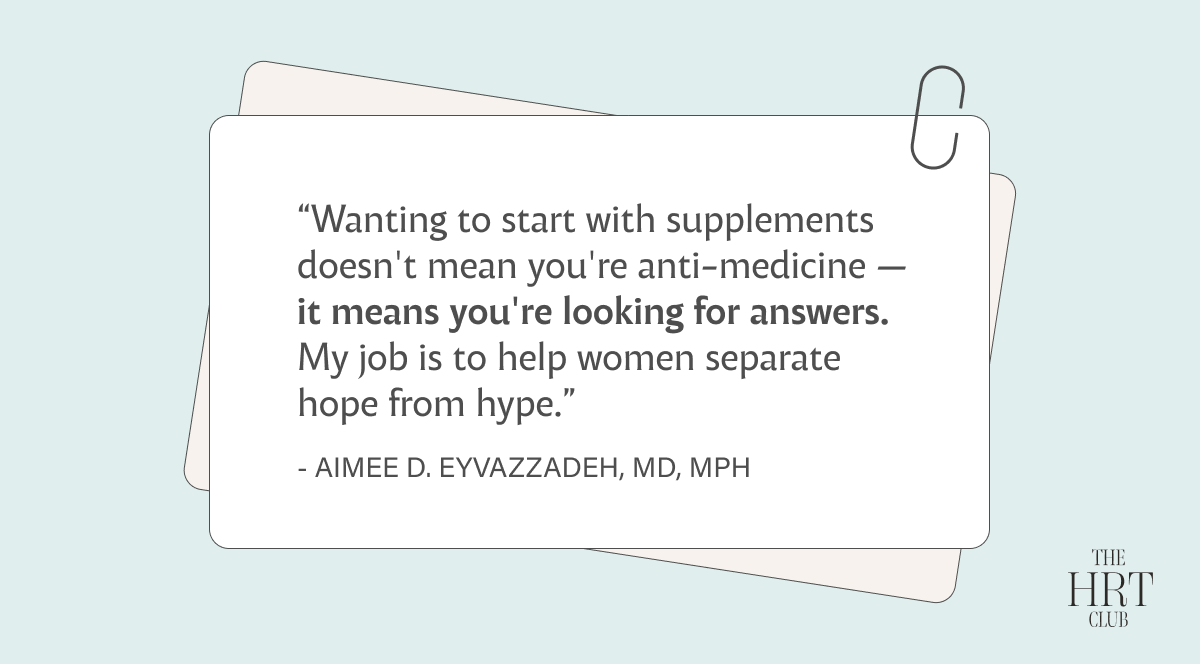
“I always tell my patients that it's okay to be curious about natural options,” says Eyvazzadeh. “Wanting to start with supplements doesn't mean you're anti-medicine — it means you're looking for answers. My job is to help women separate hope from hype.”
What does the evidence say?
“If your symptoms are mild, some supplements may be worth trying, but I always encourage women to set realistic expectations,” Eyvazzadeh says. “When I recommend something, I want there to be both evidence that it helps and confidence that it's safe.”
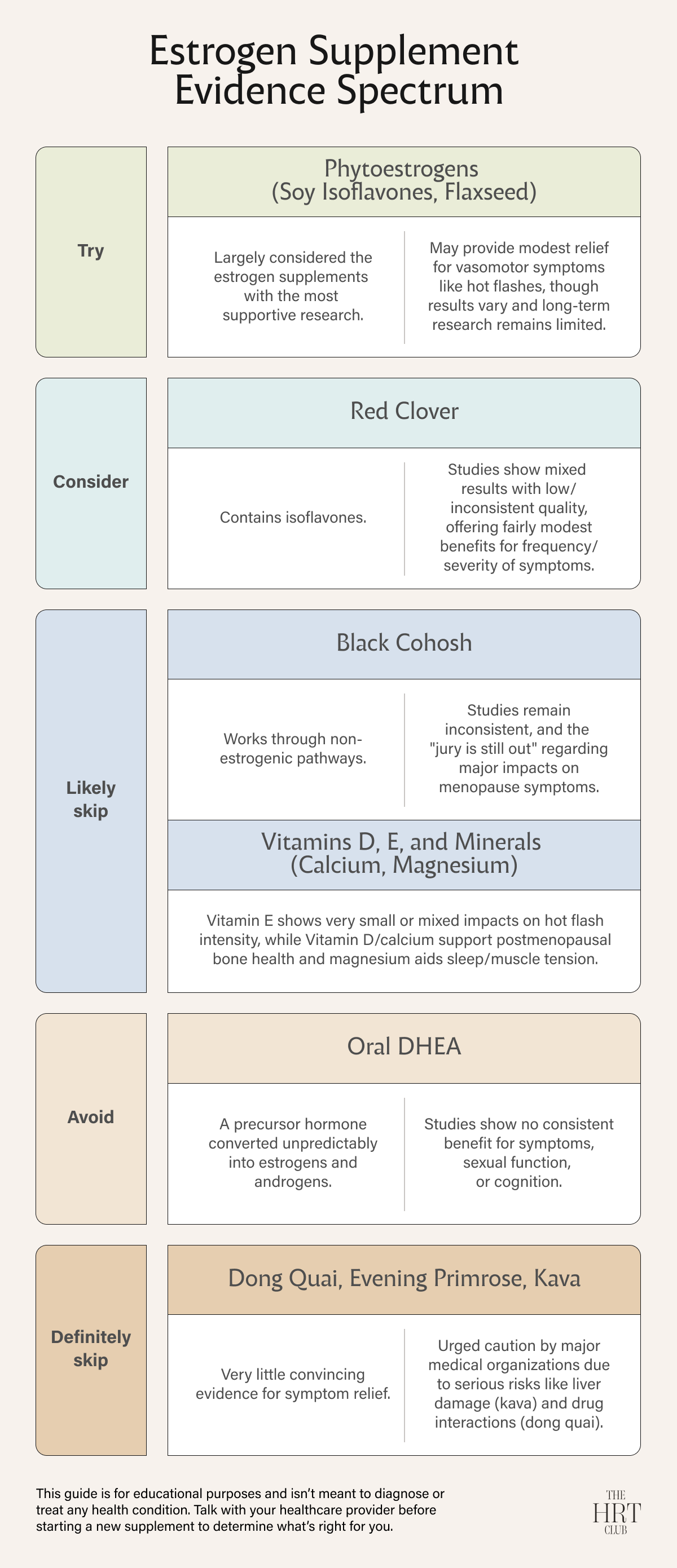
Phytoestrogens
Phytoestrogens are naturally occurring plant compounds that include fiber-rich foods like berries, flaxseeds, grains, nuts, and fruits, but are most abundant in soybeans and other legumes, according to Frontiers in Neuroendocrinology. Soy isoflavones in particular are generally considered the estrogen supplements with the strongest supportive research behind their effectiveness. The chemical structures of phytoestrogens are chemically similar to estrogen, allowing them to bind to estrogen receptors in the body and may improve your symptoms. However, these foods don’t meaningfully increase circulating estradiol concentrations.
Some studies, such as research in Frontiers in Aging, have found modest improvements in menopausal symptoms, but results have been inconsistent and many studies have important limitations. A 2021 review in the journal Climacteric stated that there is inadequate research regarding long-term outcomes of phytoestrogen supplements, but the research also revealed that phytoestrogens have a small impact on vasomotor symptoms of menopause, like hot flashes.
“This is probably the supplement with the strongest evidence,” Eyvazzadeh says. “Some women notice fewer hot flashes, while others notice very little. It's not a replacement for estrogen, but it may provide modest relief.”
Verdict: While there’s still limited research on phytoestrogens, experts widely regard them as the most reasonable supplement to try, while keeping expectations realistic.
Red clover
Red clover is a plant that contains specific types of phytoestrogen called isoflavones, which a large-scale systematic review and meta-analysis in Frontiers in Aging found may help reduce the frequency and severity of menopause symptoms related to low estrogen (like hot flashes and night sweats). However, according to the National Center of Complementary and Integrative Health, the existing research hasn’t shown conclusive evidence of benefits for any health condition, and some of the research on red clover for menopause-related hot flashes was not high in quality.
“The data are mixed,” Eyvazzadeh says. “Some women swear by it, but when you look at the research overall, the benefits are fairly modest.”
Verdict: This may help, but the evidence suggests it should not be the first line of defense for menopause symptoms.
Black cohosh
Black cohosh is a flowering plant that, unlike red clover, is thought to work through non-estrogenic pathways. According to the Journal of Steroid Biochemistry and Molecular Biology, this means it doesn’t bind significantly to the body’s estrogen receptors or elevate circulating estradiol, but works through neurochemical and other mechanisms in the body to influence menopause-related symptoms. While there’s been a significant amount of research dedicated to the effects of black cohosh, according to the Cochrane Database of Systematic Reviews, the jury is still out on whether the supplement makes a major impact on menopause symptoms, and there’s even evidence to suggest it may cause adverse liver effects.
“This one has been studied for years, but the results remain inconsistent,” Eyvazzadeh says. “It may help some women, but there have also been rare reports of liver toxicity, so I don't recommend taking it indefinitely without discussing it with your healthcare provider.”
Verdict: Skip this one: The Menopause Society concludes that evidence is insufficient to support black cohosh for vasomotor symptoms.
Vitamins D, E, and other vitamins/minerals
While vitamins and minerals aren't considered replacements for estrogen, there are several of these supplements that may help support menopause symptom management and long-term general health. A review of 48 peer-reviewed publications in Frontiers In Aging showed that combined vitamin E and omega-3 lowered hot flash intensity, while vitamin E alone activated estrogen receptors (although receptor activity by itself doesn't necessarily translate into meaningful symptom relief). The review’s authors also noted that vitamins and minerals can’t fully replace hormone therapy and that more research is needed.
While vitamin D and calcium are not considered estrogen replacements or supplements, they are important nutrients to incorporate at any age — especially around menopause. “They won't stop hot flashes, but they're incredibly important after menopause because estrogen plays such an important role in bone health,” Eyvazzadeh says.
Regarding vitamin E, Eyvazzadeh says that while some research shows a very small benefit for hot flashes, she wouldn't expect dramatic results. However, magnesium is a supplement she does recommend to patients experiencing menopause-related side effects. “I often recommend magnesium for women struggling with sleep or muscle tension,” Eyvazzadeh says. “It's not treating low estrogen itself, but better sleep can make menopause feel much more manageable.”
Verdict: While these supplements are fine as nutritional supplements, they should not be considered menopausal treatments or estrogen replacements.
Oral DHEA
Unlike the supplements described above, oral DHEA is a precursor hormone that the liver, adrenals, and surrounding tissues convert into both estrogens and androgens. According to the journal Diabetology & Metabolic Syndrome, supplementation has produced conflicting results. In 2022, the Journal of Clinical Endocrinology and Metabolism found “no consistent beneficial effects of DHEA…for menopausal symptoms, sexual function, cognition, or overall wellbeing in normal women.”
“Your body can convert it into estrogen and testosterone, but not in a predictable way,” Eyvazzadeh says.
Verdict: According to the Endocrine Society, because scientific studies indicate these treatments are not effective in women, they should be avoided.
Caution group (dong quai, evening primrose, kava)
While supplements like dong quai, evening primrose, and kava are often marketed for menopause symptoms related to low estrogen, such as hot flashes and mood swings, major medical organizations have urged caution against these supplements because they carry significant risks. For example, according to Environmental Carcinogenesis & Ecotoxicology Reviews, kava extract may damage the liver, kidney, brain, and/or hematopoietic system. And a case study in Pharmacotherapy suggests that dong quai can interact with blood thinners.
“I generally don't recommend these,” Eyvazzadeh says. “There's very little convincing evidence that dong quai or evening primrose significantly improve menopausal symptoms, and kava comes with enough concern about liver toxicity that I don't think the potential benefit outweighs the risk.”
Verdict: Skip these supplements altogether.
Are OTC estrogen supplements safe?
In short, it’s tough to know if OTC estrogen supplements are truly safe because every person is different and OTC supplement labels and claims are not reviewed and approved for safety and effectiveness by the FDA before they are sold. That said, supplements are not automatically unsafe, but their risks vary by product and person.
- The term “natural" isn’t synonymous with "tested." The FDA doesn't test or approve supplements; potency and even ingredient accuracy vary by product and brand. “‘Natural’ doesn't automatically mean safe, and ‘prescription’ doesn't automatically mean dangerous,” Eyvazzadeh says. “Supplements can absolutely have a role, especially for women with mild symptoms. But if you're spending hundreds of dollars trying one product after another and you're still miserable, that's your body telling you it's time for a different conversation.”
- Some OTC supplements carry real risks. Kava is linked to liver damage, black cohosh has been reported to cause rare liver injury, and dong quai can interact with blood thinners. It’s important to be aware of these potential risks before considering any type of supplement.
- Not all supplements are for all bodies. For people with a history of hormone-sensitive cancer (like certain breast or uterine cancers), dietary soy may be safe, but according to the American Cancer Society, it’s unclear whether high-dose isoflavone supplements are equally harmless. The latter hasn’t been studied as thoroughly in this population, so it’s essential to discuss any and all supplement considerations with an oncologist. Similarly, the National Center for Complementary and Integrative Health warns, “it’s not clear if black cohosh is safe for women who have had hormone-sensitive conditions such as breast cancer or for pregnant or breastfeeding women.”
- Estrogen creams can be a gray area. Genuine estrogen requires a prescription, so if any type of cream is marketed as containing the hormone, it should be considered an unapproved drug. Because marketers use cosmetic language and there is limited pre-market oversight of cosmetics, consumers should be aware that some products do slip through the cracks and make it to shelves with unverified claims for dose, purity, or safety.
Talk to a provider or pharmacist about anything you're taking, especially alongside other medications. “I'd also encourage women to buy supplements from companies that use third-party testing because quality can vary tremendously,” Eyvazzadeh says. Note, though, that while third-party testing may help verify ingredients, purity, and contaminants, it does not establish that a supplement is effective or appropriate for a particular person, so you should still consult with your provider.
When OTC isn't enough — and how to get estrogen
It can be hard to know when OTC products aren’t pulling their weight, but if your symptoms associated with perimenopause or menopause are consistently disrupting your sleep, work, mood, or relationships, it’s time to seek out a higher level of help. It’s okay to give certain OTC products an honest shot (as long as they’re not contraindicated and you communicate about them openly with your care providers). But it’s also okay to try prescription HRT right off the bat, without going through the trial and error phase of OTC supplementation.
“If menopause symptoms are interfering with your sleep, work, relationships, exercise, memory, intimacy, or overall quality of life, don't wait,” Eyvazzadeh says. “I think too many women believe suffering is just part of aging. It isn't.”
Eyvazzadeh emphasizes that for many healthy women younger than 60 or within about 10 years of menopause, hormone therapy has been shown to be very effective and safe “when it's prescribed thoughtfully and tailored to the individual,” she says. “My goal isn't to convince every woman to take hormones. My goal is to ensure every woman knows she has options.”
Whether you’ve already tried OTC supplements for menopause symptoms and need more support or you’re ready to fill an HRT prescription today, HRT Club can help. Learn how it works.
The bottom line
Genuine estrogen therapy requires a doctor's prescription, which means over-the-counter "estrogen supplements" don’t actually contain prescription estrogen and are more likely made up of plant compounds or herbs. While phytoestrogens like soy and flaxseed offer the strongest evidence for modest symptom relief, other popular supplements—such as black cohosh, oral DHEA, and kava—show inconsistent results or carry serious safety risks. Because dietary supplements are not FDA-tested for safety or effectiveness, it’s essential to discuss any OTC options with a healthcare provider, especially if you have a history of hormone-sensitive conditions.
If menopausal symptoms like hot flashes or sleeplessness are significantly impacting your daily quality of life, it’s likely time to speak with a doctor about HRT. “You don't have to choose between suffering in silence and jumping straight to prescription hormones,” Eyvazzadeh says. “There are lifestyle changes, nutrition, exercise, sleep optimization, supplements, and hormone therapy. The best plan is the one that's personalized for you. And one final reminder: menopause is a natural transition — but feeling awful doesn't have to be. You deserve to feel vibrant, energetic, and like yourself again.”
FAQ
What are the signs of low estrogen?
Low estrogen can show up in a variety of ways, but according to Cleveland Clinic, some of the most common signs and symptoms include:
- Hot flashes or night sweats
- Dry skin
- Decreased sex drive
- Irregular or no periods
- Vaginal dryness
- Painful sex
- Sleep problems
- Moodiness and irritability
- And more
What can I use over the counter for vaginal dryness?
One of the most common symptoms associated with low estrogen is vaginal dryness. While there are no over-the-counter creams or supplements that can actually replace lost estrogen, there are topical vaginal moisturizers and lubricants available without a prescription. According to Mayo Clinic, these products may need to be reapplied every few days, but they can help restore moisture to the vagina. Water or silicone-based lubricants can also be used immediately before sex to help ease friction and reduce pain.
Is "bioidentical" or "natural" estrogen different from OTC supplements?
When people refer to “bioidentical” estrogen, they’re talking about medicines that are chemically identical to the hormone naturally produced in the body. According to Mayo Clinic, many FDA-approved HRT medications contain bioidentical hormones. However, “bioidentical” is not synonymous with “natural,” which is a term many estrogen supplements use for marketing purposes. “Natural” is a broad marketing term often used for plant-derived ingredients, but it does not necessarily indicate how safe or effective a product is. Some FDA-approved forms of HRT use natural, plant-sourced ingredients, but they also contain estradiol, which is one form of estrogen. There are no FDA-approved estrogen supplements available over the counter in the United States.
About Author