.png)




Key takeaways:
- Perimenopause fatigue is more than everyday tiredness—it can show up as exhaustion, brain fog, energy crashes, and difficulty getting through routine tasks.
- Hormonal fluctuations involving estrogen, progesterone, testosterone, and cortisol can all contribute to fatigue during the menopausal transition.
- Sleep problems, thyroid issues, anemia, and sleep disorders can worsen fatigue or mimic hormonal symptoms.
- Lifestyle strategies like exercise, stress management, sleep hygiene, and nutrition can help support energy levels and overall well-being.
- Treatments range from lifestyle changes and supplements to hormone replacement therapy (HRT), depending on what's driving your symptoms.
No amount of sleep, coffee, or sheer determination seems to move the needle—that's what perimenopause fatigue can feel like. Between the poor sleep, brain fog, forgetfulness, and lack of energy perimenopause can bring, some days you barely recognize yourself.
If you've been asking what does perimenopause fatigue feel like?, you're not alone. The good news: there's a real hormonal explanation, and real options for getting your energy back.
What is perimenopause fatigue?
Does perimenopause cause fatigue, or am I just losing it? It’s not in your head. Extreme fatigue in perimenopause is a very real—and very common—symptom of the menopause transition. Case in point: one study found that 46.5 percent of perimenopausal women experienced significant physical and mental exhaustion, according to Menopause. The culprit is often a perfect storm of hormonal fluctuations, sleep disruption, and metabolic changes that occur during perimenopause, per the International Journal on Science and Technology.
Together, these shifts can affect everything from energy production and mood to concentration and motivation, leaving you feeling like you're operating on low battery mode.
What does perimenopause fatigue actually feel like?
It's more than being tired. Perimenopause fatigue can feel like:
- Staring at your to-do list and feeling exhausted or overwhelmed by things that used to be easy
- Walking into a room and forgetting why
- Struggling to focus at work (per a 2024 study in Menopause)
- Feeling like your brain is moving through molasses
For many women, perimenopause fatigue comes with sudden energy crashes, brain fog, irritability, and the frustrating sense that you're operating at half-capacity. And it rarely shows up alone. Night sweats, insomnia, joint aches, and other perimenopause symptoms can pile on, creating a vicious cycle: poor sleep fuels fatigue, fatigue makes everything feel harder, and the whole thing can leave you wondering where your old energy went, according to a 2021 study in Menopause.
Why does perimenopause cause fatigue?
Behind perimenopause fatigue is a complex mix of hormonal fluctuations that can affect everything from sleep and mood to how your cells produce energy.
Estrogen
One of the biggest players is estrogen. During perimenopause, estrogen levels fluctuate unpredictably before eventually declining, and those swings can take a real toll on your energy. Here’s how:
- Estrogen helps regulate neurotransmitters like serotonin and dopamine, which influence mood, motivation, and alertness, says Adi Davidov, MD, associate chair of the department of obstetrics and gynecology at Northwell’s Staten Island University Hospital.
- Estrogen fluctuations can also disrupt the ovarian-pituitary-hypothalamic axis, creating further instability that contributes to exhaustion, according to the International Journal on Science and Technology.
- Declining estrogen can interfere with temperature regulation and circadian rhythms, making you more likely to wake during the night from hot flashes, night sweats, or shifts in body temperature, per the International Journal on Science and Technology. And when sleep suffers, energy usually follows.
Progesterone
Progesterone is often called the body's natural calming hormone—and for good reason. It helps promote relaxation and supports healthy sleep, according to Pharmaceuticals. During perimenopause, progesterone levels decline, which disrupt the communication between your ovaries, pituitary gland, and hypothalamus, throwing hormonal regulation off balance, per the International Journal on Science and Technology. The result? More sleep problems, more nighttime wake-ups, and more of that dragging, depleted feeling that seems to follow you all day.
Testosterone
Testosterone isn't just a "male" hormone—women produce it too. They work differently in the body, but testosterone is important for women's health. While it's often associated with libido, testosterone also plays a major role in energy, motivation, muscle strength, and mental sharpness.
As testosterone gradually declines during perimenopause, you may notice fatigue, low motivation, brain fog, or a general sense that your get-up-and-go has gotten up and left, per the British Journal of General Practice. Part of the reason is cellular:
- Testosterone supports red blood cell production, which helps deliver oxygen throughout the body, according to the Journal of Clinical Endocrinology and Metabolism (too little testosterone can even cause mild anemia in middle-aged people, per JAMA Network Open)
- Testosterone impacts your mitochondria—the tiny energy factories inside your cells, according to Frontiers in Endocrinology
Cortisol
Then there's cortisol, your body's primary stress hormone. During perimenopause, the system that regulates cortisol (the HPA axis) can get thrown out of whack, according to the International Journal on Science and Technology. That can be especially problematic at night. Higher evening cortisol levels may interfere with sleep, leaving you tired before the day even begins.
Cortisol “also has an effect on glucose production,” says Dr. Davidov. Since glucose is one of the body's main energy sources, fluctuating cortisol levels can lead to fluctuating energy levels, too.
Add chronic stress to the mix, and it can become a frustrating cycle: poor sleep fuels fatigue, fatigue makes stress harder to manage, and stress further disrupts the body's energy-regulating systems, according to a 2018 study in Menopause.
Other factors that make perimenopause fatigue worse
Several other health issues can pile onto perimenopause fatigue and make it even harder to function.
Common culprits include:
- Thyroid problems: Women in perimenopause are at higher risk for hypothyroidism, which can cause fatigue, brain fog, and a sluggish metabolism, according to the International Journal on Science and Technology.
- Sleep disorders: Trouble falling asleep, waking frequently, or waking too early are all common sleep problems during perimenopause, which can leave you feeling exhausted, per the Journal of Clinical Medicine.
- Night sweats and hot flashes: These can repeatedly disrupt sleep, creating a cycle of poor rest and daytime fatigue.
- Heavy menstrual bleeding: Common during perimenopause, heavy periods can contribute to iron deficiency and anemia, both major causes of low energy, according to a 2024 study in Menopause.
- Sleep apnea, restless legs syndrome, periodic limb movements, and nocturia: All become more common during the menopause transition and can significantly impair sleep quality, per the Journal of Clinical Medicine.
Because these issues can mimic—or compound—hormonal fatigue, it’s important to look at the full picture. A thorough evaluation can help identify what's really driving your symptoms and guide the most effective treatment plan.
Perimenopause fatigue treatment options that can actually help
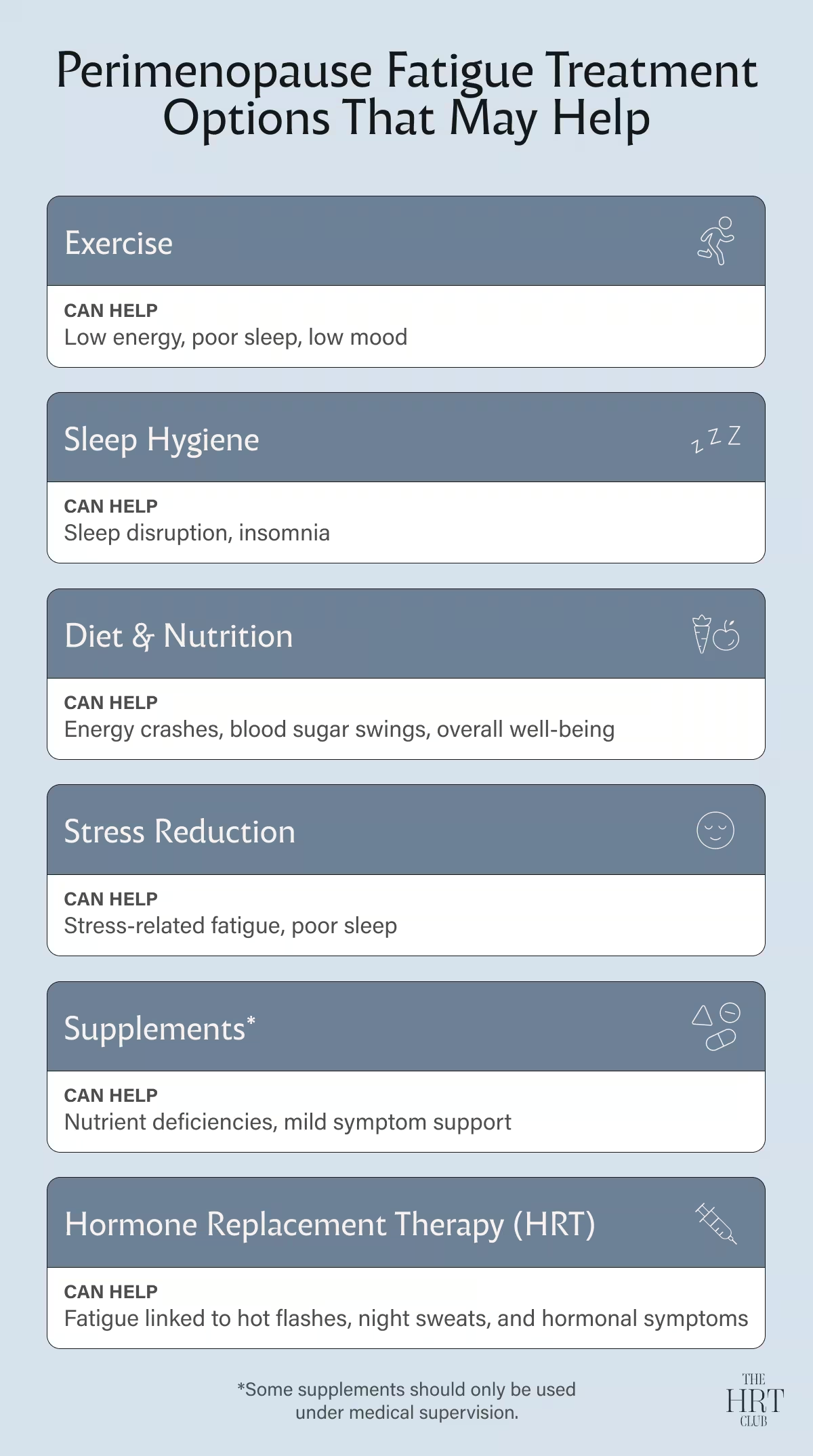
Effective perimenopause fatigue treatment exists—from lifestyle changes and supplements to hormone therapy. The key is finding the right approach that fits your body and symptoms.
Lifestyle changes with the strongest evidence
Lifestyle changes won't eliminate every cause of perimenopause fatigue, but some habits can make a meaningful difference in your energy, sleep, and overall well-being.
Exercise
When you're exhausted, exercise may be the last thing you want to do. But staying glued to the couch can actually make fatigue worse by reducing muscle and slowing metabolism, according to the International Journal on Science and Technology. The good news? Movement tends to create energy, not drain it.
There's no single "best" workout for perimenopause fatigue, but research suggests a few options may help:
- Aerobic exercise and strength training: May improve energy, mood, and overall well-being, per the International Journal on Science and Technology.
- Yoga: May help with fatigue, sleep problems, and joint discomfort, according to BMC Women’s Health.
- High- and moderate-intensity interval training: May improve sleep quality and reduce fatigue, per the Taiwanese Journal of Obstetrics and Gynecology.
One caveat: Save intense workouts for earlier in the day. Exercising too close to bedtime can make it harder to catch shuteye, according to a 2023 study in Cureus.
Sleep hygiene
Healthy sleep habits can help improve rest and reduce fatigue, even when hormones are making things more complicated.
Try these sleep-friendly habits, per the National Institute on Aging:
- Stick to a consistent sleep and wake time—even on weekends.
- Skip late-afternoon or evening naps if possible.
- Create a relaxing bedtime routine, such as reading, stretching, or taking a warm bath.
- Limit screen time before bed; the light from phones, tablets, and TVs can make it harder to fall asleep.
- Keep your bedroom cool, dark, and quiet.
Keep in mind: sleep hygiene isn't a magic fix. If hormonal fluctuations, night sweats, or insomnia are driving your sleep problems, healthy habits alone may not be enough. Think of sleep hygiene as one piece of the puzzle—not the whole solution.
Diet
What you eat won’t magically erase perimenopause fatigue, but it can help steady your energy, support better sleep, and balance your blood sugar.
Focus on a balanced, nutrient-dense eating pattern that includes, according to Nutrients:
- Plenty of protein (including plant-based sources)
- Antioxidant rich, anti-inflammatory fruits and vegetables
- High fiber foods like legumes and whole grains
- Omega-3-rich foods like fatty fish, nuts, and seeds
- Calcium, vitamin D, vitamin C, and B vitamins
- Healthy unsaturated fats in place of saturated fats
It’s also worth cutting back on sugary drinks, excess alcohol, and heavily processed foods, which can contribute to energy dips and poor sleep.
A few simple eating habits can help, too: avoid large meals close to bedtime, limit caffeine later in the day, and remember that while alcohol may make you sleepy, it often leads to more disrupted sleep—and even more fatigue the next day, per the National Institute on Aging.
Stress reduction
During perimenopause, cortisol—your body's main stress hormone—can become less regulated, disrupting sleep and leaving you even more exhausted. Chronic stress only adds fuel to the fire.
The encouraging part? Small stress-management practices can make a meaningful difference, according to the International Journal on Science and Technology. Mindfulness meditation, deep breathing, progressive muscle relaxation, and guided imagery may help calm your nervous system and support better sleep.
And don't underestimate the power of a well-placed "no." Midlife often comes with competing demands—kids, aging parents, work, and everything in between. Setting boundaries and trimming your to-do list where possible can help protect your energy when you're already running on a low battery.
Supplements worth considering
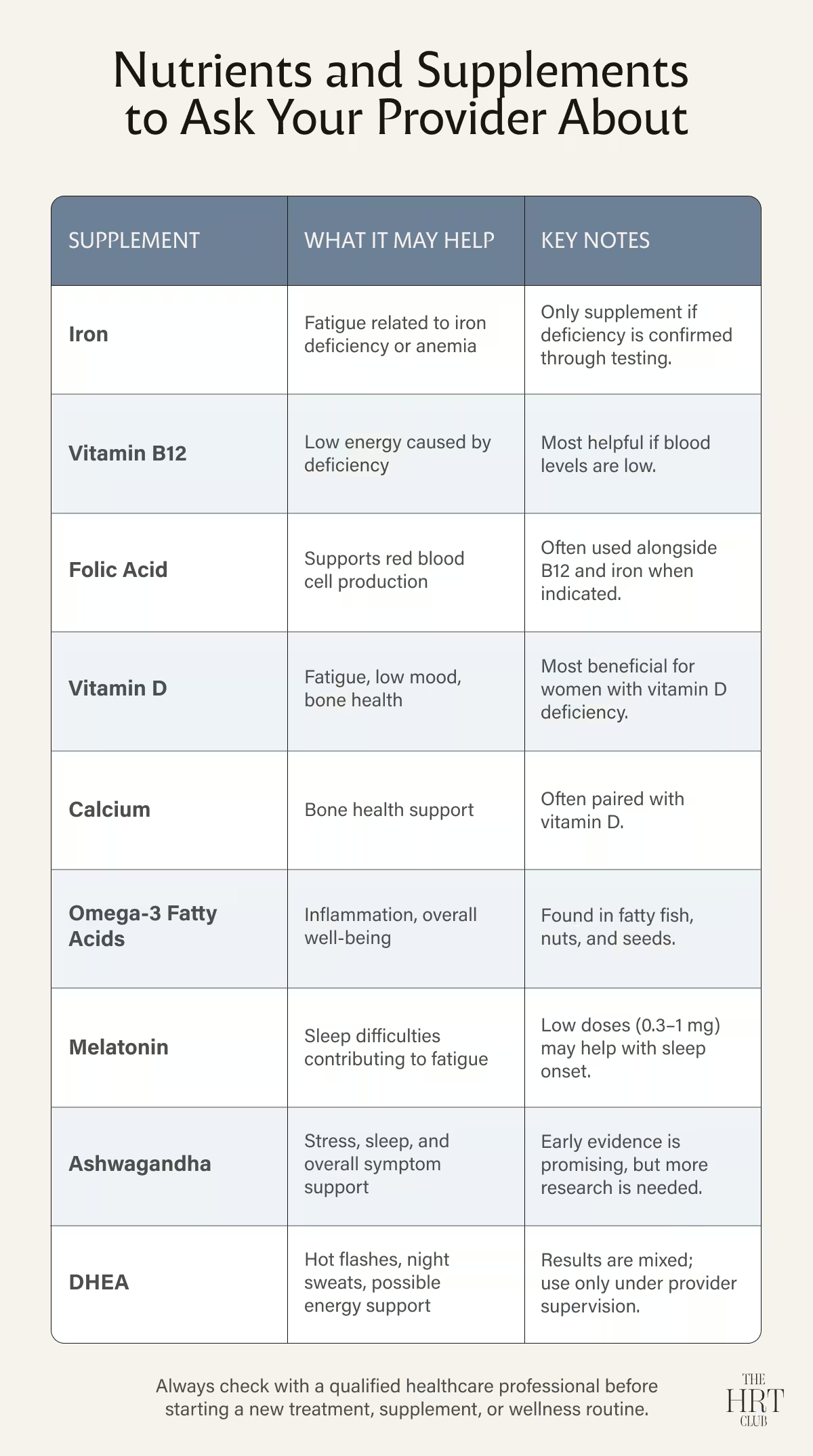
“There are many supplements on the market, and there aren't any magic bullets to combat fatigue,” says Dr. Davidov. Still, some supplements may help—especially if a deficiency or specific symptom is contributing to your exhaustion. Always discuss supplements with a healthcare provider before starting.
Under medical supervision, Dr. Davidov says these may be worth considering:
- Iron, vitamin B12, and folate: May help if fatigue is linked to anemia. Iron should only be taken if testing confirms a deficiency.
- Vitamin D and calcium: Support bone health (vitamin D may also help mood, particularly in people with low levels, according to Bioinformation).
- Omega-3 fatty acids: May help reduce inflammation and support overall well-being.
- Melatonin: Low doses (0.3–1 mg) may improve sleep and reduce fatigue related to insomnia, per Sleep Science. High doses are likely ineffective.
Some research also suggests ashwagandha may help with stress, sleep, and other perimenopausal symptoms, according to a 2025 study in Cureus. You may have heard of DHEA (a precursor to testosterone) as well, but the evidence is mixed: some data says it may help with symptoms like night sweats while other studies say it may cause side effects, according to a Cochrane Systematic Review—so it should only be used under a provider's guidance.
One important reminder: supplements can be supportive, but they aren't a substitute for treating significant hormone-related fatigue.
What HRT does for perimenopause fatigue—and what to expect
Hormone replacement therapy (HRT) may help, but not always in the way you'd expect. HRT replaces hormones that decline during the menopausal transition and is most effective at treating symptoms like hot flashes and night sweats, according to the Korean Journal of Family Medicine. Fatigue often improves as a result.
Many women notice improvement in hot flashes within days to weeks after starting HRT, says Dr. Davidov. Better sleep often follows, which can have a significant impact on fatigue, he explains.
Estrogen helps reduce vasomotor symptoms, while progesterone's sleep-promoting effects can improve sleep quality and reduce nighttime disruptions, per the Journal of the Endocrine Society. And better sleep usually means more energy during the day.
Some women also add testosterone to their regimen, according to the British Journal of General Practice. “There is evidence that it helps with sexual satisfaction and that may result in increased energy and reduced fatigue,” says Dr. Davidov.
The key is personalization. The right hormones, dose, and delivery method depend on your symptoms, health history, and goals.
Standout box: Already have an HRT prescription? The HRT Club may be able to help you fill it for less than you’re paying now. Don't have one yet? We can connect you with a menopause specialist. Learn how it works.
When to get assessed (and what that actually looks like)
If you're running on empty despite your best efforts, it's worth checking in with a provider.
Consider getting evaluated if your fatigue:
- Persists despite lifestyle changes
- Gets worse over time
- Interferes with daily life
- Occurs alongside other perimenopause symptoms
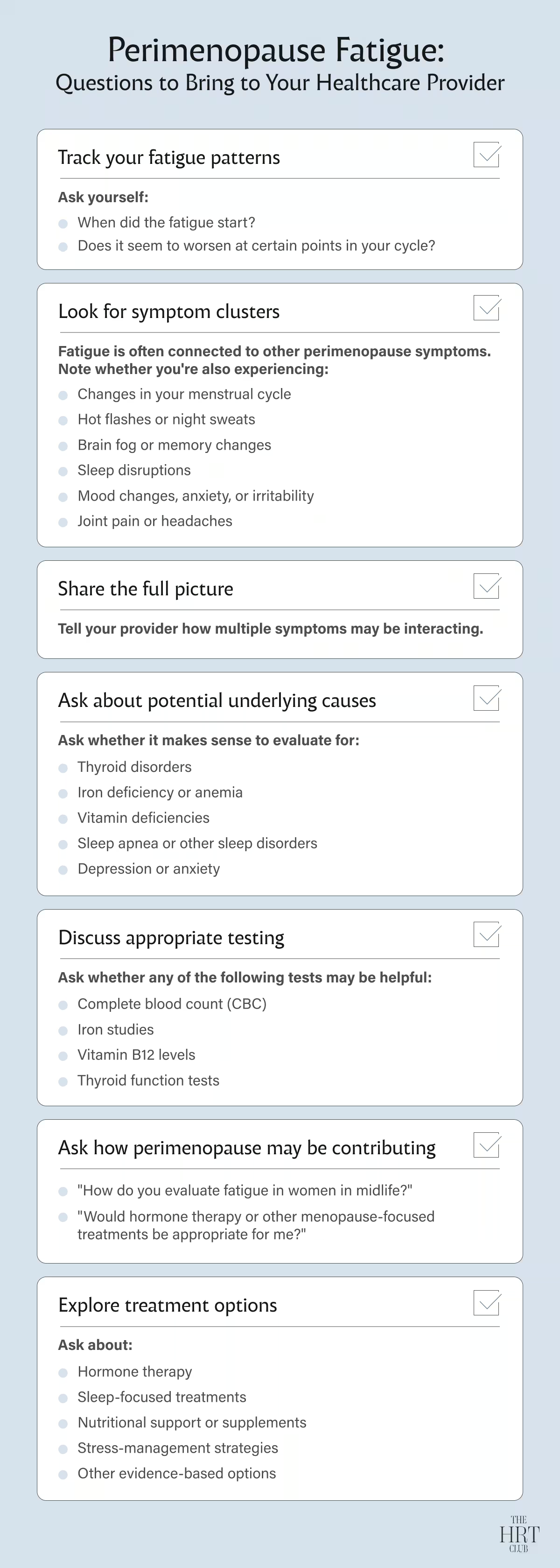
Your first stop is usually a primary care doctor, who can rule out other common causes of fatigue. Next, Dr. Davidov recommends seeing an OB-GYN and asking about specific labs, including a complete blood count, iron studies, vitamin B12, thyroid function, and thyroid function testing. Come prepared with details about your symptoms, how long they've been going on, and what seems to help—or not.
While hormone testing can sometimes be helpful, fluctuating hormone levels make results difficult to interpret during perimenopause. Often, your symptoms, age, and changes in your menstrual cycle tell the story, according to the American College of Obstetricians and Gynecologists.
Here, a qualified menopause specialist can be especially valuable. They understand that standard lab ranges don't always capture the hormonal ups and downs of perimenopause. This could be your OB-GYN or primary care physician, or you can search the directory of certified practitioners at The Menopause Society or connect with The HRT Club to find an HRT specialist
What to Ask for When You See a Provider About Fatigue
The bottom line
Perimenopause fatigue isn't just something you have to "push through." Hormonal changes can play a major role, but issues like thyroid dysfunction, anemia, poor sleep, and chronic stress can compound the problem.
The good news? Effective options exist—from lifestyle changes and targeted supplements to HRT when appropriate. If exhaustion is affecting your daily life, don't suffer in silence. The HRT Club can help you access affordable, personalized hormone therapy—without the hassle or red tape of insurance—so you can start feeling more like yourself again.
FAQ
What does perimenopause fatigue feel like?
Perimenopause fatigue is more than ordinary tiredness. It can feel like you're running on empty no matter how much sleep, coffee, or willpower you throw at it. Common symptoms include:
- Low energy and exhaustion
- Brain fog, forgetfulness, and trouble concentrating
- Everyday tasks feeling harder than they should
- Sudden energy crashes
- Irritability or low mood from being constantly drained
When does perimenopause fatigue start?
Perimenopause fatigue can start anytime during the perimenopausal transition, which typically begins in your mid-to-late 40s, though some women notice symptoms earlier, according to the Office on Women’s Health.
Why am I so tired in perimenopause even when I sleep?
Because sleep isn't always the whole story. During perimenopause, fluctuating hormones can disrupt sleep, mood, stress regulation, and how your body produces and uses energy. The result? You can get a full night's sleep and still wake up feeling like your battery is never fully charged.
About Author