.png)



Takeaway: The symptoms of low estrogen (think: hot flashes, mood swings, brain fog, and more) can feel like a confusing and exhausting roller coaster. But that doesn’t mean you have to endure them. While certain lifestyle choices, dietary adjustments, and natural supplements can help lay a healthy foundation, they can’t actually replace the lost estrogen that can occur as a result of perimenopause, menopause, hypothalamic amenorrhea, and other root causes.
Lifestyle tools are important for overall wellness, but in some cases, transitioning to evidence-based medical treatments like Hormone Replacement Therapy (HRT) can be the safest, most highly effective next step. By understanding the capabilities and limitations of both natural and clinical approaches, you can stop normalizing daily discomfort, advocate clearly for your health, and choose the exact level of support to feel your best.
Key takeaways:
- Certain natural methods can help manage your body’s ability to produce and metabolize estrogen (like eating phytoestrogen-rich foods, lifting weights, prioritizing sleep, and managing chronic stress). But natural methods can only do so much and in some cases, medical interventions like Hormone Replacement Therapy (HRT) are needed.
- While dietary tweaks and herbal supplements may help improve your baseline wellness and ease mild discomfort, no natural approach is as potent as actual estrogen replacement.
- Due to systemic gender biases, pervasive misinformation, and cultural conditioning, many women routinely minimize or normalize their own pain and low estrogen symptoms as "just part of” being a woman or aging. But there’s no need to suffer in silence or brush off the symptoms of low estrogen when there are evidence-based treatments available.
- The long-standing fear surrounding HRT stems from older evidence; modern evidence confirms that for healthy women under 60, the absolute risks of HRT are incredibly low, and it may provide important benefits for bone health. It even may reduce cardiovascular risk in appropriately selected individuals when initiated near menopause.
- Modern HRT is not an all-or-nothing, one-size-fits-all regimen; it’s highly individualized and can be tailored to your specific lifestyle.
If you’ve spent any time at all scouring the internet for explanations regarding your unpredictable periods, killer hot flashes, sheet-soaking night sweats, or reality show-worthy mood swings, you may already suspect the culprit: low estrogen. And if you have searched high and low for answers and walked away from your laptop feeling more confused than ever, you’re in fantastic company. While the symptoms of low estrogen are most often tied to perimenopause and menopause, they can actually occur for a number of reasons, which tends to make the whole seeking-answers-scenario infinitely more frustrating.
Plus, you may already be tired of reading generic wellness advice or vague answers about HRT. So instead of continuing down the rabbit hole, consider this your guide on what the evidence actually says about natural approaches, where they fall short, and what your options are when lifestyle changes aren't enough.
What causes low estrogen?
Like so many medical issues, there’s no single cause of low estrogen, but there are some common culprits:
- Perimenopause: While many people may be familiar with menopause and the signature symptoms that often accompany it (hot flashes, vaginal dryness, mood changes, etc.), few are as well versed in the time period leading up to it called perimenopause. While menopause typically occurs between the ages of 45 and 55, perimenopause can last for years leading up to that event, bringing its own hormonal upheaval with it, per MedlinePlus.
- Menopause: Estrogen levels naturally decline with age, as the ovaries start making less of the hormone leading up to menopause (i.e. the life stage where menstrual cycles have stopped for more than 12 months and pregnancy is no longer possible).
- Hypothalamic amenorrhea: Sometimes referred to as functional hypothalamic amenorrhea or FHA, hypothalamic amenorrhea involves a problem with the hypothalamus, aka the brain’s control center, according to Cleveland Clinic. Some people with the condition have primary amenorrhea (meaning they haven’t gotten their first period by age 16 or within five years of puberty) while others have secondary amenorrhea, which occurs when a once-regular period goes missing for more than three months. While there are many causes of the condition, food restriction, poor nutrition, excessive exercise, low body fat, eating disorders, and stress can all contribute.
- Premature ovarian insufficiency: When the ovaries stop functioning as they should before the age of 40, it’s considered premature ovarian insufficiency. Because the ovaries are responsible for producing estrogen and progesterone, an issue with their function can result in decreased hormone levels, according to Cleveland Clinic.
- Post-birth control hormone shifts: You may have seen the term ”post-birth control syndrome” popping up on social media in recent years, as described in Perspectives on Sexual and Reproductive Health. But post-birth control syndrome (PBCS) isn’t considered an official medical diagnosis. That said, some women can experience temporary hormonal shifts for a few cycles after stopping oral contraceptives, per Journal of Women's Health.
“Perimenopause is not a gentle decline in estrogen; it's more like a hormonal roller coaster,” says fertility doctor Aimee D. Eyvazzadeh, MD, MPH. “It can swing wildly. One month estrogen may be high, the next it may crash. That fluctuation is why symptoms can feel confusing and inconsistent. A woman may be told her labs are ‘normal,’ but still feel very different in her body.”
So while a perimenopausal woman’s estrogen may dip so low one week that she’s experiencing hot flashes, night sweats, raging anxiety, and sleepless nights, those symptoms may shift rather quickly. “Two weeks later, you may have a functional ovarian cyst pumping out estrogen, leaving you bloated, miserable, and wondering why your breasts hurt so much that even putting on a bra is uncomfortable,” Dr. Eyvazzadeh says. “You can go from feeling like you have no estrogen to feeling like you have too much estrogen in the span of a single cycle.”
If that roller coaster sensation is messing with your mind, mood, and general sense of sanity, you’re very much not alone. But you do have an opportunity to track and analyze your symptoms to start mapping out a plan of action. “Understanding these dramatic hormone swings is important so women can make sense of what they're experiencing rather than worry that something is terribly wrong,” Dr. Eyvazzadeh says.
And if you’re not sure whether your own experience indicates low estrogen, here are some of the “classic” symptoms, according to Dr. Eyvazzadeh:
- Hot flashes
- Night sweats
- Vaginal dryness
- Pain with sex
- Low libido
- Mood changes
- Anxiety
- Brain fog
- Trouble sleeping
- Joint aches
- Dry skin
- Hair changes
- More frequent urinary symptoms
“Some women also notice changes in their cycles first,” Dr. Eyvazzadeh says. “Periods may become heavier, lighter, closer together, farther apart, or just unpredictable.”
Natural ways to increase estrogen
Anyone who’s ever experienced one or more symptoms of low estrogen has likely sought out one or more ways to remedy the issue. And for some, the draw of “natural” solutions is more appealing than a clinical intervention. Although healthy lifestyle habits provide important overall health benefits, they have not been shown to provide symptom relief comparable to systemic menopausal hormone therapy for women with moderate to severe vasomotor symptoms.
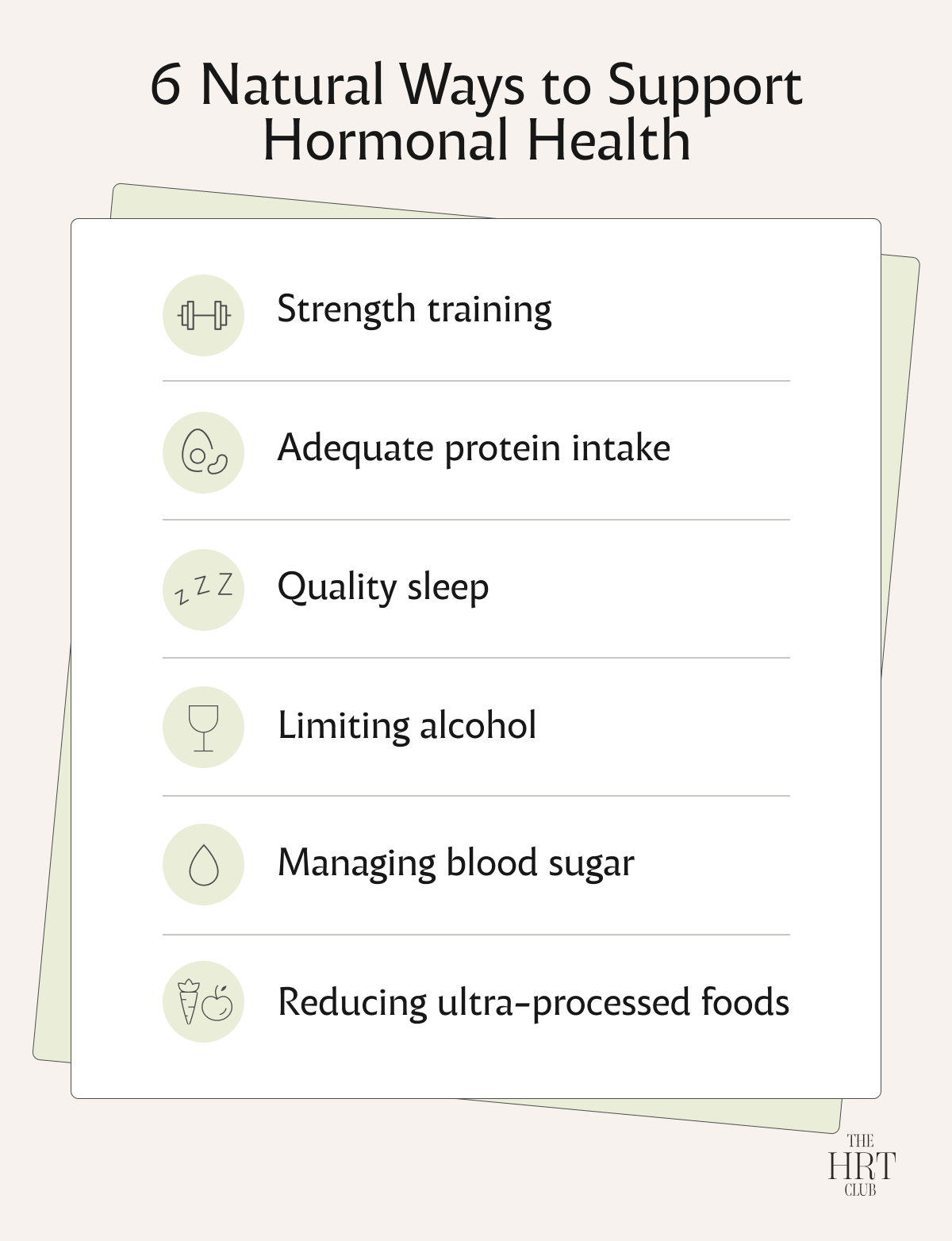
With that caveat in mind, Dr. Eyvazzadeh is clear that there are lifestyle factors that can offer benefits when it comes to supporting estrogen production, including:
- Strength training
- Adequate protein intake
- Quality sleep
- Limiting alcohol
- Managing blood sugar
- Reducing ultra-processed foods
And while no single supplement can necessarily replace or fix depleted estrogen, Dr. Eyvazzadeh does advise some patients to strategically add them in for extra hormonal support. “Soy foods, flaxseed, omega-3s, vitamin D (if low), magnesium (for sleep or muscle tension), and creatine (for muscle support) may help some women,” she says.
Foods that increase estrogen
As Eyvazzadeh indicates, there are a fair number of foods that may help mitigate symptoms related to low estrogen, but they can’t replace estrogen itself. These foods contain “phytoestrogens” — naturally occurring plant compounds with chemical structures that are very similar to estrogen, allowing them to bind to the body’s estrogen receptors and cause estrogen-like effects. While research in Frontiers in Aging indicated these foods can have significant therapeutic effects on menopausal symptoms specifically, the overall evidence is mixed — and again, they generally do not meaningfully increase circulating estradiol concentrations.
Phytoestrogens are divided into two main groups — flavonoids and non-flavonoids — and one of the most commonly cited flavonoids is typically found in soy products: isoflavones. A large-scale systematic review and meta-analysis in Frontiers in Aging found that soy isoflavones helped reduce the frequency and severity of menopause symptoms related to low estrogen like hot flashes and night sweats. But research has also found that the effects of soy products on low estrogen symptoms are “slight and slow” compared to HRT.
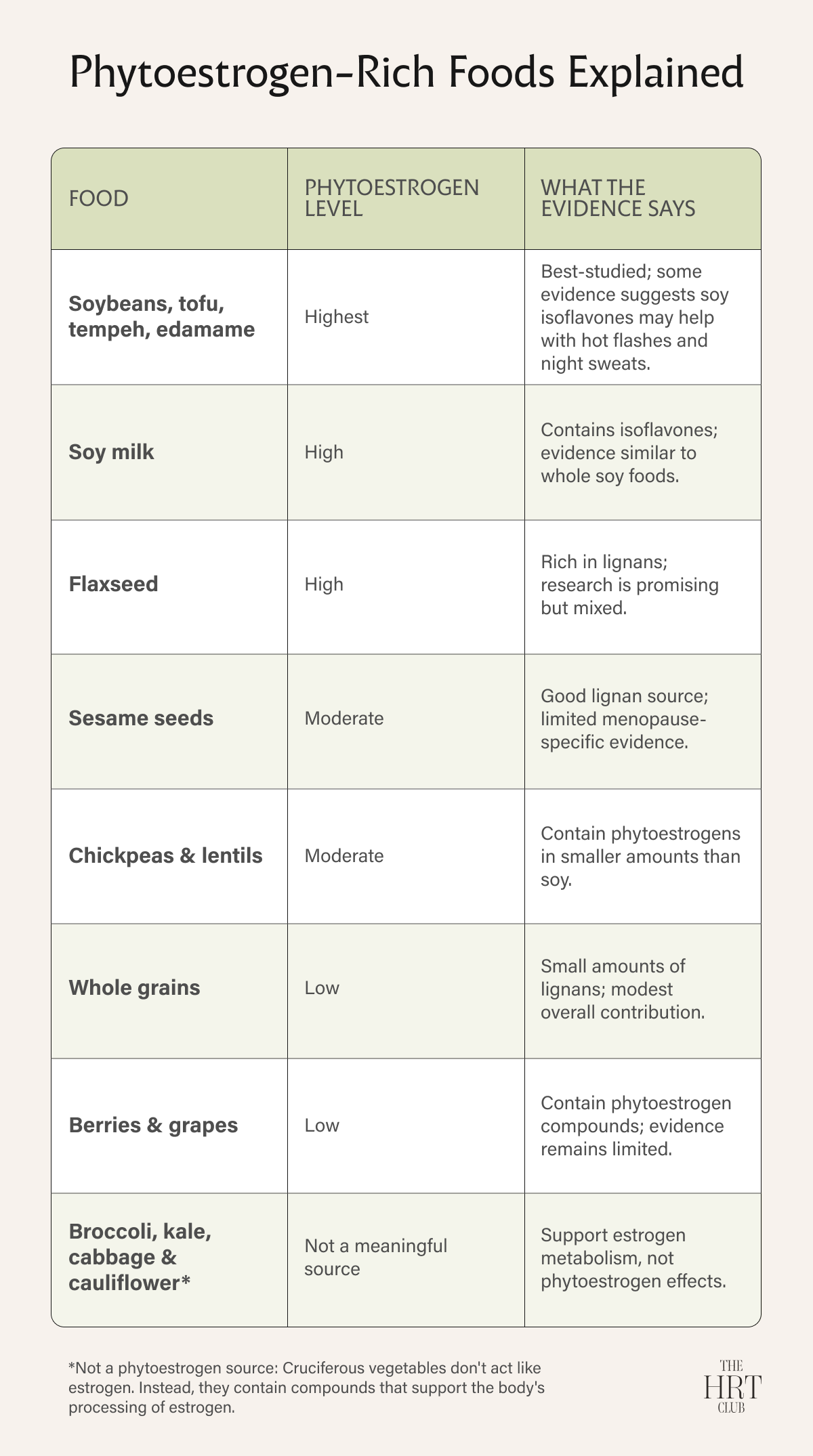
There are other non-soy foods that are considered “estrogen-supportive;” they don’t mimic the effects of the hormone or replace it, but they may help support the related body mechanisms that produce and process it. Cruciferous vegetables, for example (think: broccoli, cabbage, kale, and cauliflower) contain compounds that may influence estrogen metabolism, although the clinical significance remains uncertain.
Vitamins and supplements to increase estrogen
Similar to the way certain foods can support (not manufacture or replace) estrogen, specific vitamins and minerals may help keep the machinery in the body running smoothly, but they don’t synthesize new estrogen. Instead, the body uses these supplements to help produce and maintain hormones. But again, no single vitamin or supplement can directly replace estrogen.
DHEA: Formally known as dehydroepiandrosterone, DHEA is one of the supplements often associated with estrogen production because it’s a hormone naturally produced by the adrenal glands that plays a role in producing sex hormones, including estrogen.
- What it may help with: Some studies, such as one in the journal Diabetology & Metabolic Syndrome, have demonstrated modest increases in estrogen levels in certain postmenopausal people.
- What it can’t do: Since DHEA is a hormone precursor, it’s something to discuss with a provider before implementing rather than a general supplement.
Vitamin D: Vitamin D, as Dr. Eyvazzadeh suggests, may be a helpful supplement to take if your natural levels are low.
- What it may help with: A review in Proceedings of The Nutrition Society found that vitamin D supplementation in menopausal and postmenopausal women may improve bone health and muscle function and may help reduce systemic inflammation in some individuals.
- What it can’t do: While vitamin D helps mitigate some of the symptoms of chronically low estrogen, it doesn't replace missing estrogen.
B vitamins and magnesium
- What they may help with: Some data from the Journal of the Academy of Nutrition and Dietetics suggests B vitamins may also influence how estrogen is metabolized in the body, and per the International Journal of Endocrinology, magnesium, may do the same.
- What they can’t do: Because data is limited for both of these supplements, it’s not confirmed that supplementing either can make a big difference in symptoms.
Additionally, phytoestrogen supplements like red clover have been shown to modestly reduce low-estrogen symptoms like hot flashes, but the benefit often overlaps with placebo responses. Black cohosh is a supplement that acts on brain receptors connected with the reduced perception of menopausal symptoms, according to the journal Chinese Medicine, but there isn’t any definitive evidence that it has any actual impact on estrogen levels in the body, per StatPearls.
Lifestyle changes that support estrogen levels
As you’ve probably surmised by now, there’s no single lifestyle change that can directly replenish estrogen stores. But because certain lifestyle factors like stress, sleep, exercise, and more can impact how estrogen is produced and depleted in the body, practicing healthy habits can help prevent some of the undesirable effects associated with low estrogen.
Adequate nutrition
Food restriction and low body fat can have a direct negative effect on estrogen production. Conversely, research has shown that because white adipose (fat) tissue contains a high concentration of aromatase, according to the journal Biomedicines, carrying excess fat tissue may also alter estrogen production. While everyone’s “healthy” weight is unique to their specific set of genetic and environmental factors, maintaining a weight that’s healthy for you may help support estrogen production and metabolism.
Keeping stress at bay
As many people can attest, chronic stress is another major hormone disruptor that can wreak havoc. Under long-term stress, your body pumps out the stress hormone, cortisol, and disrupts the signals necessary to synthesize estrogen and progesterone, per the journal Bioinformation.
This can result in cycle irregularities, amenorrhea, anovulation, and more. Finding ways to manage stress — whether that means through meditation, mindfulness, yoga, or other means — may help combat hormonal dysfunction and improve quality of life in those experiencing menopause symptoms, per the Journal of Psychosomatic Research.
Prioritizing sleep
Sleep is yet another essential lifestyle factor that most of us know we should be improving, prioritizing, or otherwise optimizing, but many of us fall short. Sacrificing sleep for just one more episode of your favorite show may be tempting, but it can seriously impact your hormones.
When your sleep is fragmented, cut short, or otherwise unrestful, it can elevate your cortisol and once again suppress your hormones, including estrogen, according to The Journal of Clinical Endocrinology and Metabolism. Practicing good sleep hygiene and actually setting yourself up for a successful seven or more hours per night can help support overall hormonal health and improve many symptoms associated with menopause, according to the journal Sleep.
Minimizing alcohol consumption
While alcohol intake can actually cause an immediate spike in circulating estrogen, according to The American Journal of Clinical Nutrition, chronic drinking can disrupt the brain's ability to signal the ovaries. Alcohol also has direct effects on ovary function, per Alcohol Research & Health: The Journal of the National Institute on Alcohol Abuse and Alcoholism.
While there’s no specific “safe” threshold for alcohol consumption when it comes to supporting estrogen production, health organizations typically recommend no more than one drink per day for women (and caution that even moderate consumption can increase the risk of serious health problems), according to the Centers for Disease Control and Prevention (CDC). Although one drink per day has traditionally been considered a moderation threshold, less alcohol is generally associated with lower health risks.
No smoking
And finally, if you need another reason to quit smoking, here you go. Cigarette smoke contains a variety of reproductive toxicants that directly act as anti-estrogenic agents in the body. It probably goes without saying that — among other major health issues — smoking has been associated with adverse reproductive outcomes such as infertility, early menopause, menstrual disorders, and more.
How much can natural approaches actually raise your estrogen?
Here’s the real deal: natural approaches like dietary changes, certain supplements, and sleep hygiene can definitely help support overall well-being. There’s no reason to skip or cut out specific lifestyle tweaks that make you feel better, stronger, and more at peace in your body and mind. That said, there are definite limitations to natural approaches when it comes to actually replacing or raising estrogen.
“I want to be honest: no supplement reliably replaces estrogen,” Dr. Eyvazzadeh says. “Natural approaches can support your body, but if symptoms are truly driven by estrogen loss, supplements may only take you so far. I always tell patients: lifestyle matters, but lifestyle is not always enough.”
And that’s okay. Think of natural approaches as tools in your estrogen toolkit. They may not be capable of completing the job on their own, but they can certainly help support your health. And in some cases, they may even help turn down the volume on low estrogen symptoms.
Generally speaking, experts recommend seeking out additional medical support for low estrogen symptoms that are “moderate to severe” — but what does that really mean? Pain and discomfort are subjective, there is documented healthcare gender bias, including how women’s symptoms are evaluated, per Frontiers in Health Services. There is also a widespread minimization of menopausal symptoms due to stigma, embarrassment, and the belief that they’re “just part of normal aging,” according to the journal Patient Preference and Adherence. Knowing all this, it makes sense why so many women normalize or minimize what they’re experiencing, truly believing their symptoms “aren’t bad enough” to warrant intervention.
“Bring it up even before symptoms affect your quality of life,” Dr. Eyvazzadeh says. Early evaluation is the key — whether or not you end up needing HRT. “Initially, you may see slight changes in sleep, mood, sex, relationships, work, exercise, or your ability to feel like yourself. I recommend getting evaluated early…before your symptoms completely disrupt your quality of life and cause havoc.”
Other ways to increase estrogen when natural approaches aren't enough
If you have optimized your diet, prioritized sleep hygiene, added as many good-for-you habits into your routine as you can, and you still find yourself struggling, you certainly aren’t alone and you haven’t exhausted all options. When natural approaches aren't enough, the most direct, well-evidenced way to address declining estrogen is HRT.
HRT is just what it sounds like: it’s a medical treatment that replaces hormones — specifically estrogen and sometimes progesterone — that your body stops making during perimenopause or menopause, or due to any of the other causes mentioned earlier. While HRT can sometimes take the form of an oral pill, it can also be delivered via skin patches, topical gels, sprays, inserts, rings, or other systems.
If you wince at all at the thought of HRT, there’s probably a good explanation for that. There remains a pervasive, long-standing fear around clinical hormonal interventions, and that’s understandable, given the amount of misinformation that still abounds. In 2002, the Women’s Health Initiative (WHI) released findings indicating that HRT could cause serious health issues, per Yale School of Medicine. However, follow-up research quickly revealed serious flaws in the original study, but the damage was done: the use of HRT declined by almost 50% within six months of the original publication.
Modern research described in Nature shows that HRT can actually be beneficial for women within 10 years of menopause, and it can be customized to fit individual needs, medical histories, risk profiles, and more. All of those factors are incredibly important because each person comes with their own unique set of needs and circumstances, and their treatment should account for that. But many women still hesitate to consider HRT, decades after the original study’s research came into question. Hesitation is totally understandable, and it makes sense why there is a persistent search for effective natural methods. But the truth is, there’s no need to wait to discuss options with a doctor. Any symptoms merit attention and individualized, expert-guided treatment.
“It is not one-size-fits-all,” Dr. Eyvazzadeh says. “A good clinician should review your personal history, family history, breast cancer risk, clotting history, cardiovascular risk, migraines, uterus status, bleeding patterns, and goals. Then, they should tailor a program that suits you and adjust the treatment based on how you're feeling.”
If you need more information, here is some additional myth-busting:
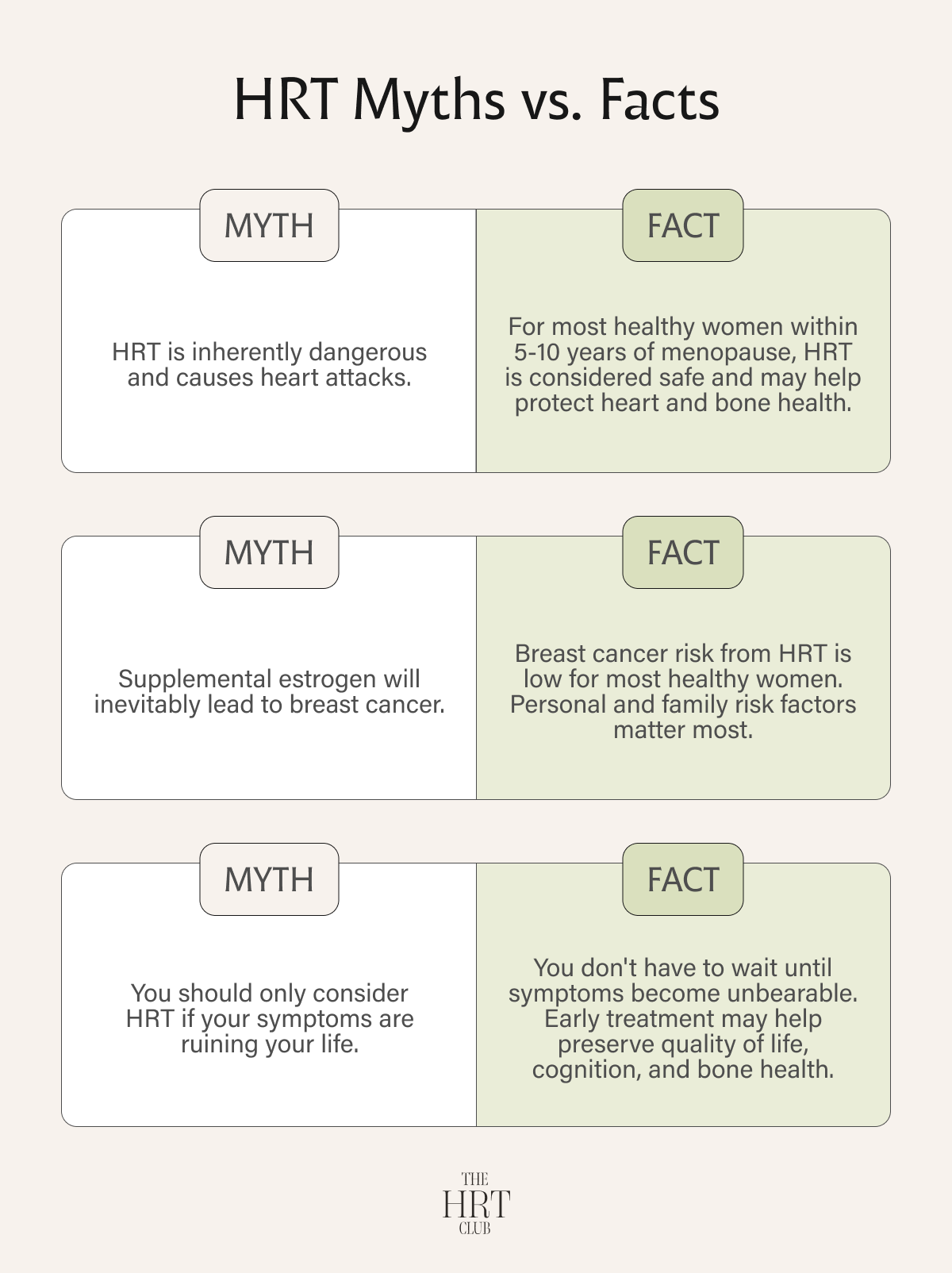
Myth 1: HRT is inherently dangerous and causes heart attacks.
The Reality: The 2002 headlines around HRT dangers were based on an outdated study of women in their mid-60s who already had high health risks. In 2025, the Food and Drug Administration (FDA) announced that it would be removing “black box” warnings (the organization’s strictest safety alerts) from HRT products for menopause following “a comprehensive review of the scientific literature.” Long-term follow-up data published in JAMA and the clinical guidelines from The Menopause Society confirm that, for many appropriately selected women (and when initiated near menopause) HRT may have favorable cardiovascular effects. That said, it should not be prescribed solely for cardiovascular disease prevention.
Myth 2: Supplemental estrogen will inevitably lead to breast cancer.
The Reality: There are a variety of risk factors that come into play when discussing illnesses like breast cancer. Women with a personal history of hormone-positive breast cancer, for example, are generally not advised to take HRT because of its association with an increased risk of recurrence in this group, according to Breast Cancer Research and Treatment.
The risk also varies by HRT type in the general population. Research suggests that estrogen-only therapy (usually for people who have had a hysterectomy) carries little to no increased risk of breast cancer. However, combined estrogen-progestogen therapy (for those with uteruses) is linked to a small increase in risk, especially with longer-term use, according to Cancer Research UK and the Breast Cancer Research Foundation. But for most people, the absolute risk (i.e., the actual probability of it happening in a given group of people over a specific period of time) remains small, and depends further on individual factors like age, family history, and formulation
While the original 2002 WHI report miscommunicated the findings, which were subsequently sensationalized in headlines, the real data indicated that in a placebo group, invasive breast cancer occurred at a baseline rate of 33 cases per 10,000 women per year; in an HRT group, that number only rose by 8 cases (41 cases per 10,000 women per year). According to The North American Menopause Society’s 2022 hormone therapy position statement, that statistical increase is roughly equal to or lower than common modifiable lifestyle risks, like drinking two alcoholic beverages a day or engaging in low physical activity. It’s not that there's no risk at all, but the actual risk is very low. The most important thing is to discuss all your own personal risk factors with a medical professional to weigh the potential pros and cons.
Myth 3: You should only consider HRT if your symptoms are ruining your life.
The Reality: You don’t have to be miserable or hit some sort of rock bottom in order to deserve relief. Experts maintain that for most healthy women, HRT is a highly effective, safe treatment option to get a handle on symptoms early, so you can maintain your quality of life, cognitive function, and bone density as soon as any kind of disruptions start.
What does estrogen therapy actually look like?
“Modern HRT can look very different from what many women imagine,” Dr. Eyvazzadeh says. “It may be a low-dose estradiol patch, gel, spray, or pill. If you still have a uterus, you generally need progesterone to protect the uterine lining. That may be oral micronized progesterone, an IUD in some cases, or another progestin option. Estrogen can be given in several forms. When the uterus is present, progesterone is added to reduce the risk of endometrial cancer from estrogen alone.”
The actual day-to-day experience of HRT is highly personal and can be more simple than you think. Prescription estrogen therapy can be completely tailored to your body's specific needs, your daily lifestyle, your specific medical history, and the symptoms you want to target. Generally speaking, there are two types of delivery methods for HRT:
- Whole-Body (Systemic) Methods: This type of HRT is typically designed to address symptoms like hot flashes, brain fog, and mood changes. It can come in:
- Pills
- Skin patches
- Gels
- Sprays
- Injections
- Localized Methods: These treatments typically target specific symptoms like vaginal dryness, pain with sex, or urinary discomfort. Local HRT includes methods placed in or around the vagina, including:
- Creams
- Inserts
- Rings
- Tablets
“Some women only need vaginal estrogen, which is very low dose and used locally for dryness, painful sex, recurrent UTIs, or urinary symptoms,” Dr. Eyvazzadeh says. “That can come as a cream, tablet, ring, or insert.”
If you have no idea where to start or what you might need, don’t worry. You don’t have to know what kind of HRT is right for you — to consider the clinical route, all you need to do is take the first step: a chat with a medical professional. “The conversation should sound like: ‘Here are my symptoms. Here is what I have tried. Here is my medical history. Am I a candidate for hormone therapy, and what route would be safest for me?’” Dr. Eyvazzadeh says.
The bottom line
Ultimately, navigating low estrogen isn’t about finding a single, universal “cure” for symptoms, but about understanding your options and the full set of tools available to you. Whether your low estrogen is driven by lifestyle stressors, conditions like hypothalamic amenorrhea, or the natural biological transitions of perimenopause and menopause, there’s no need to endure pain, discomfort, or otherwise unpleasant experiences. And while it may be a societal norm to write these issues off as a “normal” part of aging or simply being a woman, there are natural lifestyle tweaks and evidence-based clinical treatments that can help you feel your best — so why not explore?
"Women should not have to suffer through perimenopause and menopause because they were told it is ‘normal,’” Dr. Eyvazzadeh says. “‘Normal’ does not mean ‘untreatable.’ Also, do not accept the answer that your labs are normal if you do not feel normal. Perimenopause is often diagnosed by symptoms and cycle changes, not one perfect blood test. The goal is not to make every woman take HRT. The goal is for every woman to understand her options, understand the real risks and benefits, and make an informed decision with a clinician who takes her seriously."
If you’re ready to start exploring your options, talk with your primary care provider or connect with a resource like The HRT Club to discuss whether HRT is right for you.
FAQ
What is the fastest way to increase estrogen?
When it comes to treating truly depleted estrogen, the fastest and most reliable evidence-based way to increase your circulating estrogen levels when estrogen replacement is clinically indicated is through prescription hormone replacement therapy (HRT). While healthy lifestyle habits can help support your baseline wellness, no single natural method can rapidly raise blood estrogen concentrations or replace lost estrogen.
What foods are highest in estrogen?
If you are interested in incorporating natural methods to support your overall wellness and help support your body’s ability to produce and metabolize estrogen, phytoestrogens are your friend. These naturally occurring plant compounds are structurally similar to estrogen so they can bind to your body's estrogen receptors, mimicking or balancing the hormone's effects. The foods highest in phytoestrogens include flaxseeds, soy products, legumes, and dried fruits.
Do GLP-1s affect estrogen?
The short answer is no, GLP-1 medications like Ozempic, Wegovy, Mounjaro, and Zepbound don’t directly influence estrogen. Instead, they mimic a gut hormone that regulates blood sugar, slows digestion, and signals fullness to the brain. However, GLP-1s may indirectly affect estrogen in a few ways. Substantial weight loss may reduce peripheral estrogen production in postmenopausal women, although the clinical significance varies. Additionally, individuals who experience metabolic dysfunction may have high insulin levels that suppress estrogen production; GLP-1s can help improve insulin sensitivity and subsequently restore estrogen levels. According to a recent study, those seeking weight loss after menopause may actually see more success when combining HRT and GLP-1 medication.
About Author