
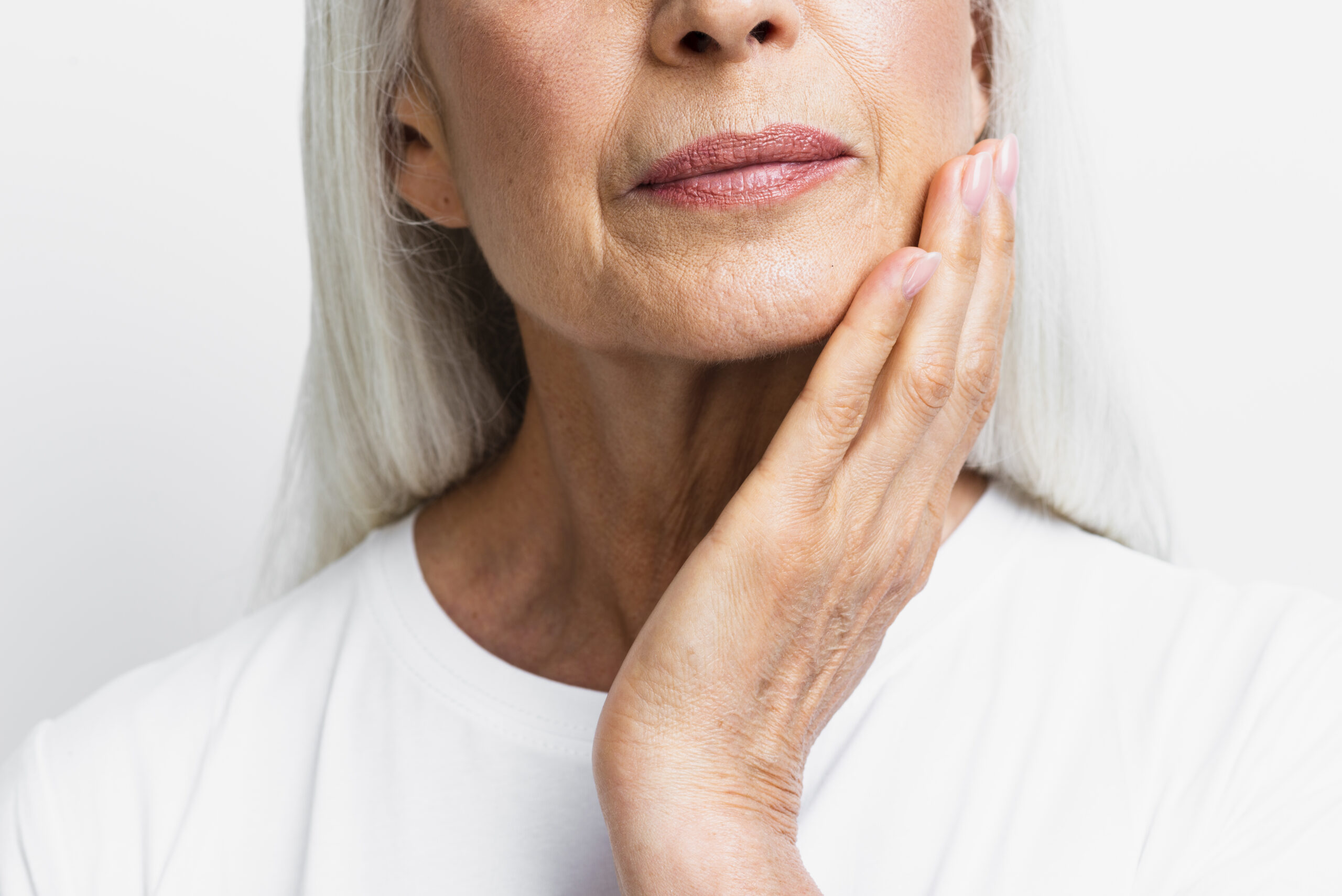
“One study found that hormone therapy led to stronger facial skin and barrier, better healing, and a more robust skin immune system.”
Attribution: Image by Freepik
Medically Reviewed by Andrea Caamano, Director of Medical Affairs, The HRT Club
We commonly talk about hormone therapy when it comes to sleep, hot flashes, or mood swings, but hormones act just as powerfully on your skin. For many people going through hormonal shifts, skin can be one of the more frustrating, and visible, signs of aging. However, experts say estrogen plays a vital role in healthy skin. Your skin greatly relies on estrogen to stay hydrated, remain firm, and maintain elasticity.
For many years, women who may have benefited from these treatments, steered clear due to the FDA’s “black box” warnings that flagged potential cancer and cardiovascular risks. After many years of advocacy from women’s health experts and new research, the FDA is finally removing these labels and has acknowledged decades of relevant and valuable research. This has led to more open dialogue and conversation between patients and their healthcare providers on the important role hormone therapy can play.
So, what does research say about hormone therapy and your skin?
Dermatologist Caren Campbell, MD, states that “estrogen binds to receptors on dermal fibroblasts to build collagen while slowing its breakdown,” which helps keep skin firm and thick and can help prevent sagging. Additionally, estrogen also plays a crucial role in increasing levels of hyaluronic acid and ceramides, natural components that help skin hold more water and stay supple. This can help address dryness or dull complexion, common symptoms of aging skin.
Another, often unnoticed, benefit is the role estrogen plays in healing and repairing wounds. “Estrogen enhances growth factors involved in tissue repair,” says Dr. Campbell, allowing skin to heal more efficiently after irritation or injury.
While estrogen remains the key hormone in aiding skin health, progesterone and testosterone are also influential. Progesterone has anti-inflammatory properties, can support skin elasticity and oil balance, while testosterone aids in developing skin thickness and oil production, to provide natural moisture and protection.
Topical vs. Systemic Estrogen for Skin Health
The way estrogen is delivered does matter, especially when it comes to your skin. Topical estrogen, often found in prescription creams, is applied directly to your skin. This form of application works locally, helping improve skin hydration, elasticity, and thickness. The treated area tends to be most impacted, with minimal absorption into the bloodstream.
On the other hand, systemic estrogen can be taken orally, via patches, injections, or gels. It circulates throughout the body, which can lead to more noticeable skin quality improvements. This broader approach increases collagen production and improves barrier function, as estrogen receptors are activated across all skin layers. Systemic therapy also comes with greater medical considerations, making it important for patients to review personal health risks and benefits with their healthcare provider.
How Patients Can Talk to Their Doctor About Hormone Therapy and Skin
If you’ve noticed changes in your skin, such as sensitivity, increased dryness, sagging, or thinning, it’s worth discussing with your healthcare provider. Patients often attribute these concerns as being purely cosmetic, but they can be vital indicators of hormonal imbalance. When speaking to your doctor, it is important to be specific regarding your experience, when the changes started, and whether they coincide with perimenopause, menopause, or overall hormonal shifts.
Asking targeted questions about the role hormone therapy plays can also help, especially about the different forms of therapy available. Hormone therapy isn’t a one-size-fits-all approach, which makes shared decision making with your healthcare provider important. Openly starting the dialogue with your doctor can help guide you in the right direction.
Looking to find a new prescriber in your area or for telehealth options? Please visit our HCP Locater tool to get started. Click HERE.